

Marriage is one of the most significant commitments two people make, and like any long term commitment, it requires consistent and deliberate investment to stay healthy. The early intensity of a new relationship tends to carry couples through the first phase of marriage, but as routines settle and life’s demands accumulate, maintaining genuine connection requires more intentional effort than most people anticipate before they walk down the aisle.
These ten practical ways to keep your relationship healthy after marriage are grounded in the realities of long term partnership rather than romantic idealism.
1. Communicate Honestly Every Day
Communication is the foundation that every other healthy relationship habit rests on. This does not mean talking constantly. It means creating space for genuine, honest conversation about how you are both feeling, what you need from each other, and what is working or not working in the relationship.
The couples who maintain the healthiest long term relationships tend to share small things consistently rather than saving everything for occasional big conversations. Daily check-ins, even brief ones, keep you connected to each other’s inner world in a way that prevents the gradual emotional distance that often develops quietly in marriages where communication is treated as something to do when there is a problem rather than a daily habit.
2. Create a Wind-Down Ritual You Both Enjoy
One of the most underrated relationship habits married couples can develop is a shared evening ritual that signals the end of the working day and the beginning of genuine couple time. The transition from work mode to relationship mode does not happen automatically, and without a deliberate ritual to mark it, the stresses of the day tend to bleed into the time you have together.
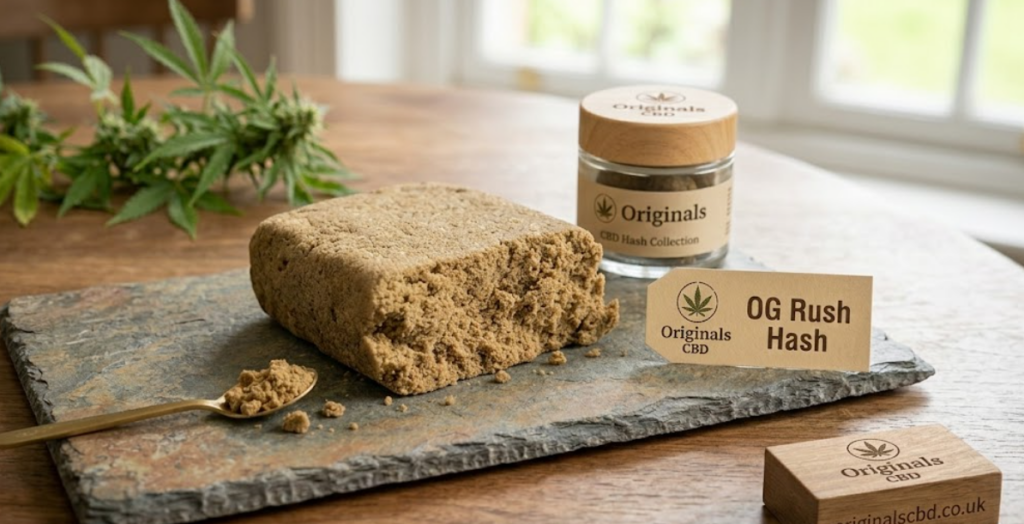
This is where some couples have found value in incorporating CBD flowers into their evening routine. Legal CBD flower products in the UK, sourced from EU-approved hemp strains and confirmed compliant with FSA novel food regulations, have become part of the wind-down toolkit for couples looking for a shared ritual that is neither alcohol-dependent nor screen-focused. The act of preparing and sharing something together, whether that is a herbal tea, a walk, or a CBD flower session, creates a transitional moment that marks couple time as distinct and intentional.
3. Prioritize Physical Affection Beyond Intimacy
Physical affection in a healthy marriage extends well beyond sexual intimacy. Holding hands, hugging, a hand on the shoulder while passing in the kitchen, these small physical gestures are expressions of connection that matter enormously to relationship health over time and are often the first things to disappear when couples become caught up in the routine demands of daily life.
Research consistently shows that non-sexual physical affection between partners activates the same bonding mechanisms that build and sustain emotional connection. Making a deliberate effort to maintain these small physical touchpoints throughout the day keeps the physical dimension of your relationship alive even during periods when life is too busy or stressful for more.
4. Protect Each Other’s Individual Space
Healthy marriages are built on genuine connection between two whole individuals, not on the complete merging of two identities into one. Protecting each other’s individual space, hobbies, friendships, and interests is not a threat to the relationship. It is one of the strongest foundations it can have.
Partners who maintain their own identities within a marriage bring more to the relationship than partners who sacrifice everything individually in pursuit of total togetherness. Encouraging each other’s separate interests and friendships demonstrates genuine respect for who the other person is beyond their role as your spouse.
5. Argue Constructively
Every married couple argues. The difference between couples who thrive long term and those who do not is rarely whether they argue but how. Constructive conflict in a marriage addresses the specific issue at hand without attacking the other person’s character, without bringing in historical grievances, and without the goal of winning rather than resolving.
Developing the discipline to say what you actually feel rather than what is most likely to land hardest in a heated moment is one of the most valuable relationship skills either partner can work on. It takes consistent practice and it makes an enormous difference to how quickly and completely couples recover from the disagreements that are inevitable in any long term partnership.
6. Make Regular Plans Together
Having things to look forward to together gives a marriage forward momentum that routine alone cannot provide. These do not need to be expensive or elaborate. A weekend trip planned a month in advance, a regular date night, a new restaurant to try, a show to watch together when the week ends. The specific activity matters less than the shared anticipation it creates.
Couples who regularly plan experiences together maintain a sense of the relationship as something alive and evolving rather than something that simply continues by default. That sense of shared forward motion is one of the quieter but more powerful contributors to long term relationship satisfaction.
7. Express Appreciation Specifically and Often
Gratitude expressed in general terms becomes background noise over time. Appreciation that is specific and timely lands differently. Telling your partner exactly what they did that you valued, and why it mattered to you, communicates that you are genuinely paying attention to them rather than performing appreciation as a relationship maintenance task.
This habit is particularly important in marriages where one partner’s contributions are less visible than the other’s. Domestic labor, emotional labor, and the quiet ongoing work of keeping a shared life running smoothly are all too easy to take for granted once they become expected rather than noticed.
8. Support Each Other’s Growth
The person you married will not be exactly the same person in ten years, and neither will you. Healthy marriages accommodate and actively support each partner’s growth, change, and development over time rather than holding each other to the version of themselves that existed at the altar.
This means celebrating each other’s ambitions, being genuinely interested in each other’s evolving interests, and being willing to renegotiate the shape of your partnership as both of you change. Couples who grow together rather than simply alongside each other tend to find that their connection deepens over time rather than plateauing or declining.
9. Address Small Issues Before They Become Large Ones
One of the most consistent patterns in relationships that deteriorate gradually is the accumulation of unaddressed small grievances that eventually reach a tipping point. Each individual issue might have been manageable if raised early, but the combined weight of months or years of unspoken frustration creates a much harder problem to resolve.
Developing the habit of addressing things when they are still small, even when it feels easier to let them go, protects the relationship from the kind of accumulated resentment that makes couples feel they have grown apart when what has actually happened is that they have grown silent.
10. Keep Choosing Each Other Deliberately
The most enduring marriages are not simply those that survived by default but those where both partners continued to actively choose the relationship even when they did not have to. That deliberate choice, renewed regularly rather than assumed permanently, is what keeps a marriage feeling like a living commitment rather than a settled fact.
This might look like small gestures of consideration that are not required but offered anyway. It might look like making your partner’s comfort a priority when you could reasonably prioritize your own. It might simply look like saying clearly and without occasion that you are glad to be in this relationship with this specific person. The form matters less than the intention behind it.
Conclusion
Keeping a marriage healthy after the wedding is less about grand gestures and more about the consistent application of small, deliberate habits that signal to your partner that they remain a priority in your life. Communication, shared rituals, individual space, constructive conflict, expressed appreciation, and the ongoing choice to invest in the relationship are the foundations that long term partnerships are built on. None of them require perfection. All of them require consistency.