

Teen conversations today move faster than ever – and much of what kids say online is designed so adults won’t immediately understand it. From TikTok comments to private chats, slang has become a digital shield that can hide risky behavior, cyberbullying, or emotional distress.
That’s why tools like uMobix are increasingly used by parents who want real visibility into what’s happening on their child’s phone – not just screen time, but context. Understanding teen slang is the first step toward real online safety for kids.
Why Teen Slang Matters for Parents in 2026
Teen slang isn’t just harmless wordplay. In many cases, it’s used to convey messages that adults may miss or misunderstand, thereby masking serious issues. Therefore, understanding these patterns helps parents intervene early and accurately:
- Mask cyberbullying and harassment: Teen slang often hides insults, threats, or coordinated attacks that parents may not recognize. Understanding these terms allows adults to spot bullying patterns early and intervene appropriately.
- Hide substance use or risky behavior: Teens often use coded language to discuss drugs, alcohol, or other dangerous activities, making it difficult for parents to recognize potential dangers. Being familiar with slang terms helps parents notice red flags early and take timely action to prevent harm.
- Signal mental health struggles: Teens may use slang to hint at anxiety, depression, or emotional distress without directly stating it. Recognizing these cues early allows parents to provide support and use parental control tools to monitor patterns that could indicate worsening mental health.
- Bypass parental control app filters: Teens often find ways around basic monitoring tools by using slang or hidden apps, rendering standard filters ineffective.
Relying only on basic supervision or trust-based conversations often leaves critical gaps. Many parents don’t realize there’s a problem until it escalates.
25 Teen Slang Terms Parents Should Know in 2026
Here are 25 teen slang terms every parent should know in 2026. These include words related to communication, emotional signals, risky behavior, social media, and peer pressure. Each term is explained so parents can understand the context and spot potential risks more effectively.
Social & Communication Slang
- NPC – Someone perceived as having no independent thinking (often used as an insult)
- Mid – Average or unimpressive (frequently used in bullying)
- Based – Having a bold or unpopular opinion
- Ratioed – When replies massively outnumber likes (public embarrassment)
- Touch grass – Telling someone to disconnect from the internet
Mental Health & Emotional Signals
- I’m cooked – Feeling overwhelmed or mentally exhausted.
- Spiraling – Losing emotional control
- Soft quitting – Emotionally checking out without confrontation
- Delulu – Being detached from reality
- Main character crash – Feeling insignificant or ignored
Risky Behavior & Hidden Meanings
- Plug – A dealer (not always apparent from context)
- Party favors – Substances, not gifts.
- Sneaky link – Secret romantic or sexual meeting
- Ghost ride – Skipping school or responsibilities
- Dry texting – Intentionally short replies to push someone away
Social Media-Driven Terms
- Finsta – A private or fake Instagram account
- Alt dump – Secondary account for unfiltered content
- Shadow-banned – Reduced visibility without notification
- Hard launch – Publicly revealing a relationship
- Soft block – Muting without unfollowing
Bullying & Peer Pressure Indicators
- Dogpiling – Group harassment
- Clocked – Exposed publicly
- Pressed – Overreacting emotionally
- Caught in 4K – Evidence captured clearly
- Fade – Threat of physical confrontation.
Where Parents Often Miss the Warning Signs
Parents often feel frustrated because, despite careful supervision, they miss crucial warning signs in their teen’s online activity. Many conventional approaches rely on manual checks or basic parental control apps that track time spent online but fail to provide context for conversations, deleted messages, or hidden accounts.
Teens frequently communicate using slang, emojis, and private channels that evade simplistic monitoring. Without understanding these behaviors, parents may only notice problems once they escalate into bullying, risky behavior, or emotional distress. That is why tools like uMobix, which offer real-time insights, context-aware monitoring, and visibility into secondary and private accounts, are essential.
By capturing complete communication patterns and providing actionable alerts, uMobix ensures parents can intervene early and confidently. It bridges the gap between surface-level monitoring and comprehensive digital supervision, making it far easier to protect children and respond to issues before they become serious. This proactive approach is the cornerstone of effective modern parenting in the digital age.
How uMobix Helps Parents Decode Teen Slang

Unlike surface-level monitoring tools, uMobix focuses on behavioral visibility, meaning parents don’t just see isolated words or alerts but understand how conversations actually unfold. It captures chats across major social platforms, so slang, emojis, and tone are visible in context, helping parents interpret intent rather than guess. Visibility into deleted messages ensures that essential warning signs aren’t missed, even if the content was removed after being sent.
uMobix also brings hidden activity to light by revealing secondary and private accounts, where teens are often more open, and risks are more likely to appear. Finally, by presenting the full conversation context rather than isolated keywords, uMobix helps parents distinguish harmless slang from signs of cyberbullying, emotional distress, or risky behavior.
Key advantages include:
- Access to chats across social platforms – It lets parents view conversations from multiple social networks in one place, eliminating the need to check apps individually. It helps ensure that slang-based signals or risky interactions are not missed, even when they occur on less obvious platforms.
- Visibility into deleted messages – Teens often delete chats to hide conflicts, bullying, or risky conversations once they feel exposed. This app allows parents to view the removed content, helping them identify patterns or issues that would otherwise go unnoticed.
- Monitoring of secondary and private accounts – uMobix helps parents uncover hidden profiles such as finstas, alt accounts, or private social media spaces where teens tend to communicate more openly and with less self-censorship. This deeper visibility plays a key role in cyberbullying prevention, as harmful interactions, peer pressure, and emotional distress are far more likely to surface on secondary or locked accounts than on a teen’s main public profile.
- Clear conversation context, not just keywords – Keyword-only alerts often create false alarms or miss subtle issues altogether. uMobix shows full message threads, tone, emojis, and interaction patterns, allowing parents to understand intent and seriousness instead of reacting to isolated words.
Simple Setup Without Overcomplication
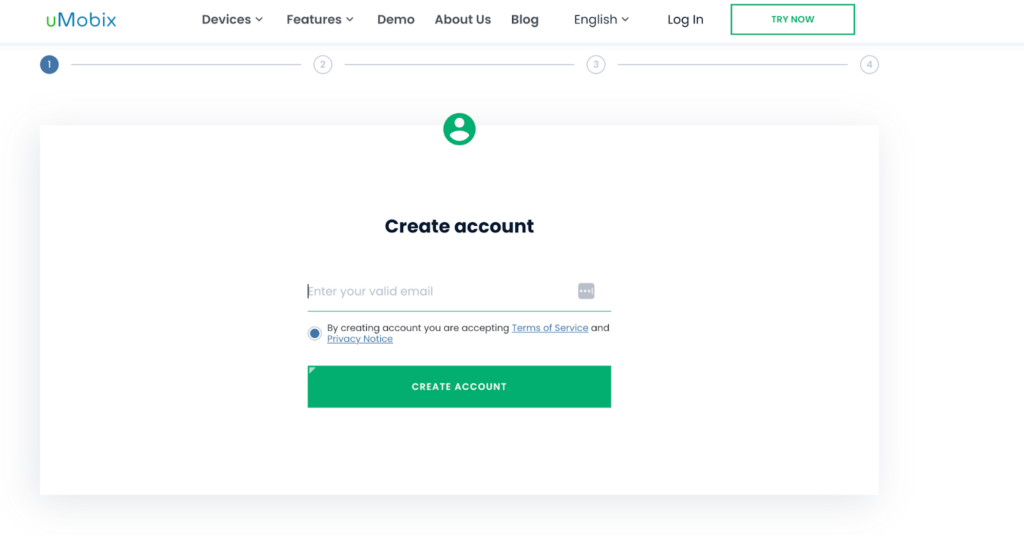
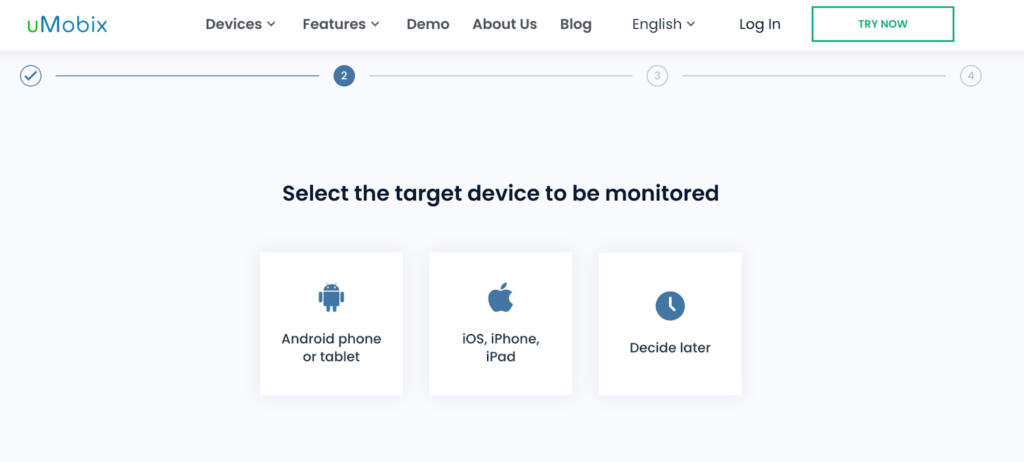
Parents often avoid parental phone-monitoring tools because they expect a lengthy, complex setup. With uMobix, the process is intentionally streamlined:
- Create an account.
- Choose the device type.
- Complete a short setup.
- Start monitoring activity.
That’s it – no technical expertise required.
Verdict
Understanding teen slang is only the beginning of effective digital parenting. Absolute protection comes from seeing how that language is actually used across chats, social media, and private accounts, where risks often stay hidden. Online safety for kids depends on context, patterns, and timely awareness, not guesswork or delayed reactions. This is where uMobix stands out as the best solution for parents who want clarity without confrontation.
By combining slang awareness with advanced parental phone monitoring, uMobix helps families detect cyberbullying, risky behavior, and emotional changes early, turning information into confident, proactive protection.