
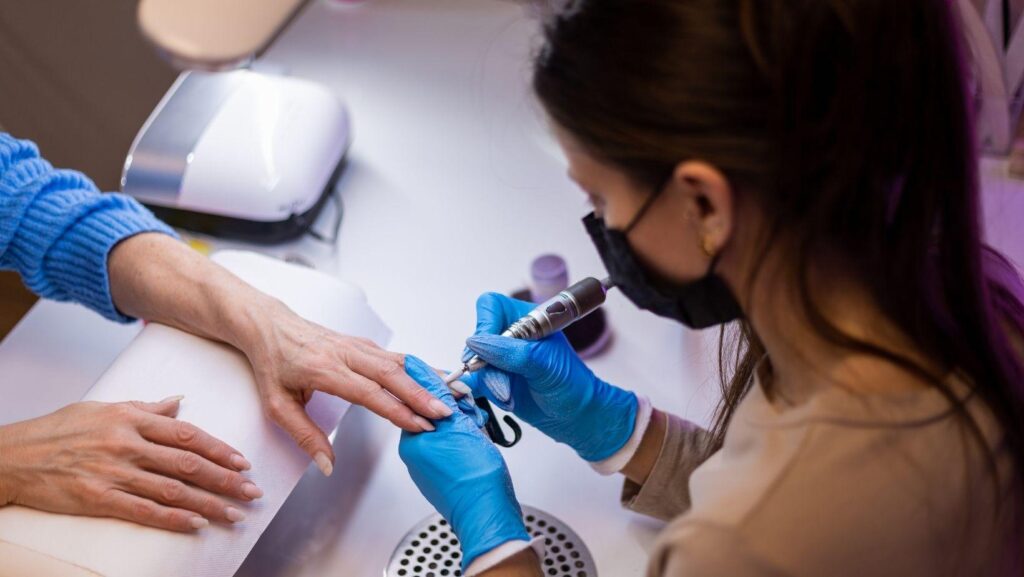
Most people will compare six phone models before buying one, then choose a nail program after scrolling through two school websites and a few pretty student photos. That’s a problem. Nail technician training can shape how fast you get licensed, how confident you feel with real clients, and how much extra money you spend fixing gaps later. Choose badly, and you may pay twice – once for the program, then again for the skills it failed to teach. Here are the five mistakes to avoid before enrolling in nail technician training.
Mistake #1 – Choosing Based on Price Alone
This one makes sense on the surface. Training programs can cost under $1,000 or climb past $10,000, so the cheapest option feels responsible. Why spend more if both programs say they teach nails?
Because they may not be teaching the same thing. Low-cost programs often save money somewhere: fewer hands-on hours, less instructor feedback, thin exam prep, or no business training. And that matters fast when you are standing in front of a practical exam station or trying to do a clean service on a real client who is watching every move.
The cheapest program that leaves you unprepared is not cheap. It is just delayed payment.
The fix: ask for the full breakdown before you compare prices. What techniques are covered? How many hours are hands-on? Who teaches the classes? What exam prep is included? What support exists after graduation?
Compare the training, then compare the cost.
Mistake #2 – Ignoring Hands-On Hours
Convenience is seductive. Online lessons, lighter schedules, fewer in-person days – all of that sounds great when life is already full. The problem is simple: nails are handwork.
You can understand every step in theory and still struggle the second a real person sits across from you. Real clients move. Their nails are thin, damaged, oily, bitten, overfiled, sensitive, or shaped nothing like the practice photo. Product behaves differently when your angle is off by a little. Cuticle work looks easy until your own hand starts shaking.
That is why hands-on hours matter. Most state licensing exams include practical skills, and salons care even more. They need to know you can work safely, cleanly, and consistently. A program that leans too heavily on videos may help you learn terms, but it will not train your pressure, timing, speed, or control.
The fix: ask how much supervised practice you actually get. Mannequin hands are useful at the beginning. Real models matter too. Instructor correction matters most because you cannot learn precision by watching someone else have steady hands.
Mistake #3 – Not Checking State Licensing Requirements First
This mistake is boring until it becomes expensive. Every state has its own rules for nail technician licensing. Some require fewer than 200 training hours. Others require more than 600. Some allow part of the theory work online. Others are much stricter about in-person training.
Students get burned when they find a program they like, enroll, and only later realize it does not match their state’s requirements. At that point, the school may have your deposit, your schedule may already be rearranged, and your licensing timeline may be stuck.
That is not a small inconvenience. If the program does not meet your state’s required hours or format rules, you may not be allowed to sit for the licensing exam. That means more classes, more fees, and more waiting before you can legally start working.
The fix: check your state’s Board of Cosmetology or Professional Licensing website before you sign anything. Then ask the school to confirm exactly how its program fits those rules. Do not take a vague ‘yes, you’ll be fine’ as an answer. Get specifics.
Mistake #4 – Overlooking Instructor Experience
A glossy classroom can hide a weak program. So can good lighting, nice product shelves, and student photos that look great on Instagram. None of that tells you who will actually stand beside you when your gel floods the cuticle or your filing angle keeps ruining the shape.
Instructor quality is where a lot of programs quietly separate. A good instructor catches bad habits early. They explain why lifting happens. They show you how to adjust pressure, clean up prep, handle nervous clients, and recover when a service starts going sideways. That kind of teaching comes from real salon experience, not just a lesson plan.
The mistake is assuming every instructor is current. Some are. Some are not. An instructor who has not worked with real clients in years may still teach outdated habits. That does not mean they have nothing to offer, but it does mean you need to ask sharper questions.
How long have they worked in salons? Do they still practice? What services do they specialize in? Are they familiar with gel systems, extensions, e-file work, nail art, and the techniques clients are asking for right now? Your instructor does not need to be famous. They need to be current, observant, and honest enough to correct you before clients do.
Mistake #5 – Skipping the ‘What Happens After’ Conversation
A lot of students think graduation is the finish line. It is not. It is the moment the training wheels come off, and that moment can feel rough if the school disappears the second your hours are done.
After the program, you still have to pass your exam, choose a work setting, talk about pricing, build a small portfolio, interview well, and figure out how to get clients to come back. Some programs offer exam prep, practice tests, mentorship, salon connections, continuing education, or job placement help. Others send you off with a certificate of completion and a cheerful goodbye. Big difference.
The fix: ask before enrolling. What support exists after graduation? Can students get help preparing for the practical exam? Does the school connect graduates with salons? Do instructors help with portfolios or job interviews? Can graduates return for updated training later?
Good schools answer clearly. Weak ones usually float around the question. Pay attention to that.
Final Thoughts
Choosing the right training program is one of the first serious business decisions you make as an aspiring nail technician. Price matters. Convenience matters. But neither tells the whole story.
The real questions are sharper. Will this program qualify you for your state licensing exam? Will it give you enough hands-on practice? Will the instructors catch your mistakes before they become habits? Will you leave with some idea of how to work with clients, pass your board, and start earning?
That is what you are paying for. Take the time to ask hard questions before you enroll. A good program makes the beginning of your career steadier. A weak one leaves you patching holes you should never have had in the first place.
FAQ
How do I know if a nail technician training program is legitimate?
Check your state licensing board first. The program should meet your state’s hour and format requirements. Then look at the curriculum, instructor background, supervised practice, exam prep, and graduate support.
What should a nail technician training program include?
It should cover nail anatomy, sanitation, safety, manicures, pedicures, gel, acrylic, extensions, client communication, and basic business skills. Strong programs also include supervised hands-on work and exam preparation.
How many hands-on hours should a nail tech program have?
The exact number depends on your state, but hands-on practice should never feel like an afterthought. Ask how much supervised time students get with mannequin hands, real models, or clinic clients.
Can I take nail technician training online?
Some states allow online theory hours. Others require in-person training. Either way, nail work still needs supervised hands-on practice because pressure, prep, filing, and product control cannot be mastered through videos alone.
What questions should I ask a nail school before enrolling?
Ask about state eligibility, total hours, hands-on practice, instructor experience, exam prep, graduate support, and job placement help. Also ask for the full curriculum before you compare prices.