
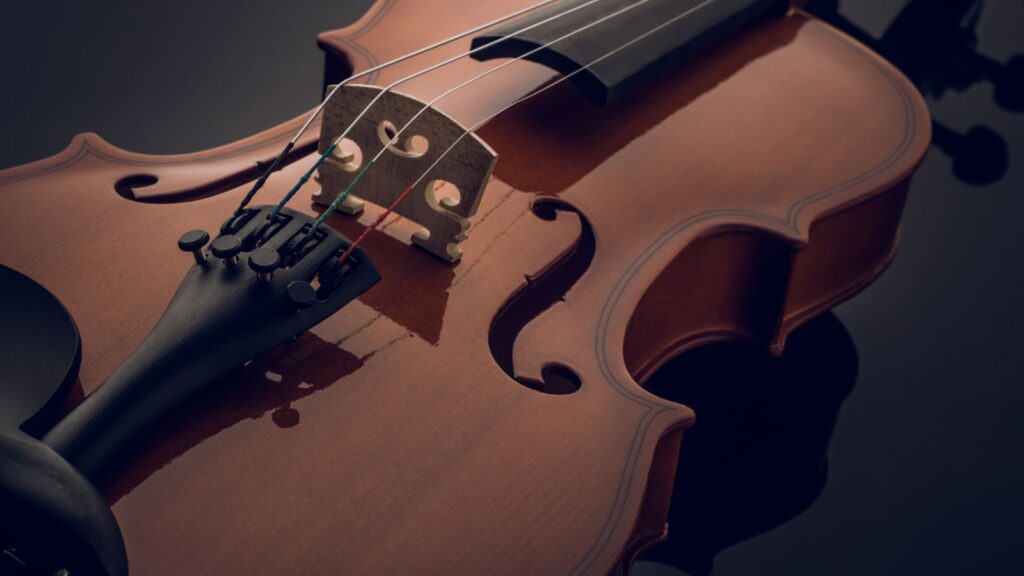
In our fast-paced world, finding effective ways to unwind is more important than ever. While meditation and yoga often steal the spotlight, learning to play the violin offers a unique combination of mental focus, creative expression, and physical relaxation that can transform your stress levels. Whether you’re a complete beginner or returning to music after years away, picking up the violin might be the self-care practice you’ve been searching for. The beauty of violin as a relaxation tool is that it demands your full attention—when you’re focused on bow placement and fingering, there’s simply no room for ruminating about work stress or life’s challenges.
1. Start With Just 10-15 Minutes Daily
You don’t need marathon practice sessions to experience the relaxation benefits of violin. In fact, shorter, more focused sessions are often better for stress relief. Set aside just 10-15 minutes each day to practice simple scales or work through a beginner piece. This manageable commitment prevents overwhelm and creates a sustainable habit. The key is consistency—even five minutes of focused playing can shift your mental state from stressed to centered.
The beauty of brief practice sessions is that they fit seamlessly into even the busiest schedules. If you’re struggling to balance home life, work, and personal time, a 10-15 minute violin practice can become your daily anchor—a non-negotiable appointment with yourself that signals it’s time to decompress. Try practicing during your morning coffee routine, right after work, or before bed as a wind-down ritual. Research shows that frequent, short bursts of focused activity are more effective for skill building and stress reduction than occasional lengthy sessions.
2. Protect Your Violin Investment
Nothing disrupts your relaxation practice faster than worrying about damage to your instrument. Investing in proper protection from day one lets you focus on the music rather than stress about accidents. A quality case from Great Violin Cases safeguards your violin from humidity changes, temperature fluctuations, and physical damage—all common concerns that can create unnecessary anxiety for new players. When your instrument is secure, you’re free to experiment, practice anywhere, and truly relax into the learning process without the mental burden of “what if” scenarios.
Beyond the case itself, establish simple storage habits that become part of your practice ritual. Always loosen your bow after playing to preserve its tension. Store your violin away from direct sunlight and heating vents where temperature swings can cause wood damage. Keep a humidity gauge in your practice space—violins thrive at 40-60% relative humidity. These protective rituals bookend your sessions with intentional care, extending the meditative quality of playing and eliminating background anxiety about instrument maintenance.
3. Focus on Sound, Not Perfection
One of the biggest barriers to relaxation is perfectionism. When learning violin, shift your focus from playing perfectly to simply creating sound. Listen to the vibrations, feel the resonance of the strings, and appreciate each note you produce—even the squeaky ones. This mindful approach transforms practice from a stressful performance into a sensory experience. The imperfections are part of your unique sound journey, and accepting them releases the tension that comes from unrealistic expectations.
Try this exercise: close your eyes while playing a simple open string. Notice how the vibration travels through the instrument into your collarbone. Feel the slight resistance of the bow hair catching the string. This sensory awareness pulls you into the present moment more effectively than any meditation app. When you inevitably hit a wrong note, observe it with curiosity rather than judgment. What caused that sound? Often we tense up after mistakes, which compounds the problem. Instead, take a breath, relax your shoulders, and try again.
4. Use Breathing Exercises Before Playing
Your breath directly impacts your ability to relax while playing. Before picking up your violin, spend two minutes doing deep breathing exercises: inhale for four counts, hold for four, exhale for six. This activates your parasympathetic nervous system, signaling your body to relax. When you begin playing, maintain this awareness of your breath. Proper breathing prevents the shoulder and neck tension that often plagues violinists and keeps you grounded in the present moment.
When we’re anxious or concentrating intensely, we unconsciously hold our breath or take shallow chest breaths. This oxygen deprivation triggers stress responses—increased heart rate, muscle tension, and shakiness. Try “box breathing”: inhale for four counts, hold for four, exhale for four, hold for four. Repeat four times. As you play, check in with your breath every few measures. You can even coordinate breathing with bow strokes—inhaling during up-bows, exhaling during down-bows—creating a natural rhythm that synchronizes body and music.
5. Choose Music That Speaks to You
While structured lesson books have their place, don’t underestimate the power of playing music you genuinely love. If you’re drawn to folk melodies, Celtic tunes, or even simplified versions of pop songs, pursue those interests. When you’re emotionally connected to what you’re playing, the practice becomes less like work and more like play. This emotional engagement releases dopamine and creates positive associations with your violin time.
The emotional connection to music is perhaps the most underutilized aspect of learning an instrument for relaxation. When you’re working through a piece you love—maybe a theme from your favorite movie or a melody from your cultural heritage—practice stops feeling like obligation and becomes joy. Websites like Musescore offer thousands of free sheet music arrangements at various skill levels. Create a rotation of pieces: some challenging for growth, some easy for those days when you just need music to flow effortlessly and remind you how far you’ve come.
6. Create a Dedicated Practice Space
Your environment significantly impacts your ability to relax. Designate a specific corner of your home as your violin sanctuary—somewhere quiet, comfortable, and free from distractions. Add elements that enhance calmness: soft lighting, a comfortable chair or standing mat, and a music stand at the right height to prevent strain. This physical space becomes a mental trigger; when you step into it, your mind knows it’s time to shift gears and focus on music.
Your practice area doesn’t need to be large or elaborate—even a corner of your bedroom works. What matters is consistency. Place a small bookshelf nearby for your sheet music, rosin, and tuner so everything is within arm’s reach. Good lighting is crucial; eye strain creates unnecessary tension. Consider the acoustics too—hard surfaces like hardwood reflect sound beautifully, making your violin ring more richly. Temperature matters as well; cold fingers are stiff fingers, so keep your space comfortably warm.
7. Record Yourself (But Don’t Judge)
Recording your practice sessions—even on your smartphone—and listening back without judgment can be incredibly therapeutic. It separates you from the performance anxiety of playing in real-time and allows you to hear your progress objectively. Listen as if you’re hearing a friend play. Notice what sounds beautiful, where you’ve improved, and what you might work on next—all without self-criticism. This practice builds self-compassion and helps you appreciate your musical journey.
When you’re playing, you’re managing multiple complex tasks simultaneously: reading music, coordinating bow and fingers, listening to intonation. This cognitive load prevents you from hearing yourself accurately. Record just one scale or short piece per session. Don’t listen back immediately; wait until the next day when you’re emotionally detached. Over weeks and months, these recordings become progress markers. On days when you feel stuck, scroll back and listen to old recordings—the improvement is often astounding.
8. Incorporate Gentle Stretching Into Your Routine
Violin playing engages your shoulders, neck, arms, and hands in specific positions that can create tension if you’re not mindful. Build a pre-practice stretching routine focusing on shoulder rolls, neck stretches, wrist circles, and finger flexes. Equally important is stretching after playing. These simple movements prevent the physical discomfort that can turn your relaxation practice into a source of pain. Think of it as a full mind-body wellness routine: breathe, stretch, play, stretch again.
Start with your neck: gently tilt your head to each side, hold for 10 seconds, then roll slowly in circles. For shoulders, do arm circles forward and backward, then hug yourself to stretch across your shoulder blades. Extend your arm and gently pull back on your fingers to stretch the forearm, then flex them forward. After playing, repeat these stretches, paying attention to any areas that feel tight. This five-minute investment in physical wellbeing enhances your ability to play relaxed and pain-free for years to come.
9. Join an Informal Group or Find a Practice Buddy
While solo practice is meditative, there’s something uniquely relaxing about making music with others. The social connection releases oxytocin, while the shared focus creates a sense of flow and belonging. Look for beginner-friendly fiddle groups, casual chamber music meetups, or find one other person learning violin to video chat with weekly. These low-pressure social settings remove the isolation that can make practice feel lonely.
Making music together taps into something primal in human nature—anthropologists believe group music-making served crucial social bonding functions in early human communities. Check local music shops, community centers, and libraries for beginner jam sessions. If in-person options are limited, online communities thrive on Reddit’s r/violinist and Facebook groups for adult learners. The emphasis should be on enjoyment rather than perfection. These social musical experiences provide not just stress relief but genuine connection and community—a reminder that music exists to bring us together in shared human experience.
The Bottom Line
Learning violin as a relaxation practice isn’t about becoming a virtuoso—it’s about creating space in your life for focused, creative expression that naturally reduces stress. By approaching your practice with intention, protecting your instrument properly, and letting go of perfectionism, you transform what could be a source of pressure into a genuine sanctuary. Start small, be patient with yourself, and remember that every note you play is an act of self-care. Your future self will thank you for this investment in both musical skill and mental wellbeing.