
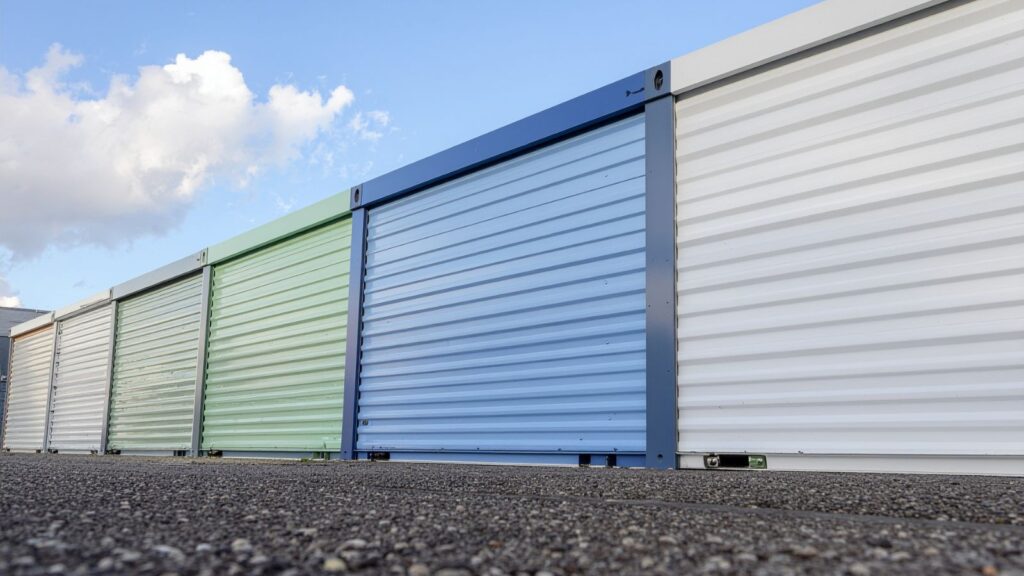
There are phases in life when the house feels too full, schedules feel too tight, and every room seems to be doing double duty. During those moments, questions about storage unit prices often come up as families look for short term solutions that ease pressure without creating new complications. Storage is rarely about excess. More often, it is about navigating change with a little more breathing room.
Why storage suddenly becomes a family topic
Most people do not plan to need storage. It usually enters the conversation during transitions, when the home can no longer stretch to accommodate everything at once.
Family growth and shifting needs
Babies arrive, children grow, and family routines evolve faster than the physical space around them. Items that were essential six months ago may not fit the current stage, yet they are not ready to be passed on. Cribs, high chairs, clothing, toys, and keepsakes all take up space while waiting for their next purpose.
Homes that must adapt quickly
Life changes rarely happen one at a time. A new baby can coincide with remote work, home updates, or a temporary move. When several transitions overlap, the home absorbs the impact. Storage becomes a way to stabilize daily life while everything else is in motion.
What people really want to know about storage prices
When families start researching storage, the main concern is rarely finding the cheapest option. It is about understanding what they are paying for and whether it truly supports their lifestyle.
Size is only part of the equation
The amount of space needed matters, but it is not the only factor influencing price. How items are accessed, how long they will be stored, and how flexible the arrangement is all affect cost. Families often underestimate how valuable flexibility becomes when plans change.
Time changes expectations
Many people assume storage will be needed for a very short period. In reality, transitions often take longer than expected. Renovations stretch out, children grow at their own pace, and moves do not always align perfectly. Storage pricing reflects that reality, which is why understanding duration upfront helps avoid frustration later.
The hidden cost of living without enough space
When evaluating storage costs, it is easy to focus on the monthly price and overlook what overcrowding costs in daily life.
Stress becomes part of the routine
Living among piles of items waiting for decisions creates constant low level stress. Parents already carry a heavy mental load, and visual clutter adds to that weight. It becomes harder to relax, harder to focus, and harder to feel at home.
Daily habits suffer
When rooms lose their function, routines break down. Cooking becomes less appealing when counters are cluttered. Playtime feels chaotic when toys have nowhere to go. Even rest is affected when bedrooms double as storage areas. These disruptions often lead to spending more elsewhere, from eating out to replacing items that feel lost in the mess.
Storage as a short term support system
For many families, storage is not a long term commitment. It is a temporary tool that helps them move through a demanding season.
Creating space before making decisions
One of the biggest benefits of storage is the ability to clear space now and decide later. Instead of forcing emotional choices about sentimental items or future needs, families can focus on restoring balance first. Clear space often leads to clearer thinking.
Smoother transitions for everyone
Children are sensitive to disruption. When the home is calmer and less cluttered, transitions feel less overwhelming. Storage helps maintain routines while changes happen in the background, which benefits the entire household.
Looking at value instead of just cost
Understanding storage unit prices becomes easier when value is considered alongside cost.
Time and energy saved
When storage simplifies organization and access, it saves time. For parents, time is a limited resource. Less time managing clutter means more time for family, rest, or work. That value often outweighs small price differences.
Protecting what you already own
Crowded homes increase the risk of damage. Furniture gets scratched, items get misplaced, and sentimental belongings are exposed to wear. Proper storage helps protect those items, reducing replacement costs and regret.
When storage actually helps reduce expenses
While storage is an added cost, it can prevent larger expenses in the long run.
Avoiding rushed replacements
Many families repurchase items simply because they cannot find them. Baby gear, seasonal clothing, or special occasion items are common examples. Having belongings stored and accessible reduces unnecessary spending.
Delaying bigger financial decisions
Sometimes families feel pressure to move or renovate because the house feels too small. Storage can relieve that pressure by making the current space workable again, delaying or even avoiding much larger investments.
Teaching flexibility through family organization
Storage can quietly shape how children understand space and change.
Learning that homes evolve
When items move in and out based on needs, children see that spaces are flexible. This encourages adaptability rather than attachment to clutter and supports healthier relationships with belongings.
Practicing intentional choices
When stored items return to the home, families often reassess what truly deserves space. Over time, this builds habits of intention rather than accumulation.
Choosing storage that fits your lifestyle
Not every storage solution works for every family. The right choice aligns with how the household actually functions.
Flexibility for unpredictable life
Family life rarely follows a strict plan. Storage that allows adjustments supports real life rather than forcing families into rigid timelines. This flexibility is often what makes a storage solution feel worth the cost.
Planning without perfection
Families benefit most when they plan realistically. Storage works best when it supports imperfection, overlap, and change instead of assuming everything will go smoothly.
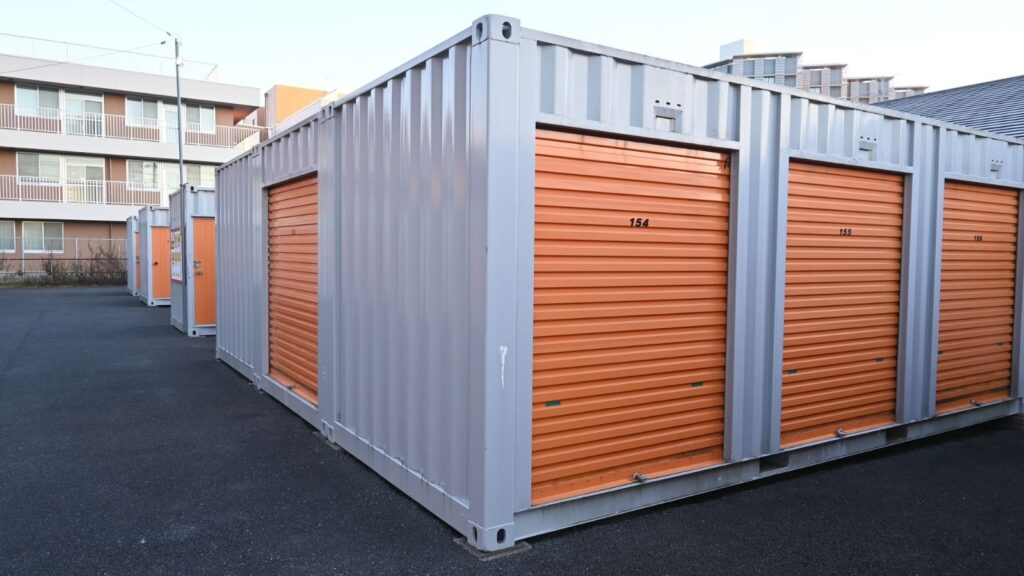
Creating room for what matters most
At its core, storage is not about boxes or square footage. It is about making daily life feel lighter during demanding seasons. When storage unit prices are viewed in the context of reduced stress, preserved routines, and protected time, they take on a different meaning.
A practical choice during full seasons of life
For many families, storage is a temporary investment that supports long term well being. It helps households move through change with less pressure and more clarity.
Letting the home support the family again
When space is restored, even briefly, the home regains its role as a place of comfort and connection. Sometimes the real value of storage is not measured in cost alone, but in how much easier everyday life becomes when there is finally room to breathe.