
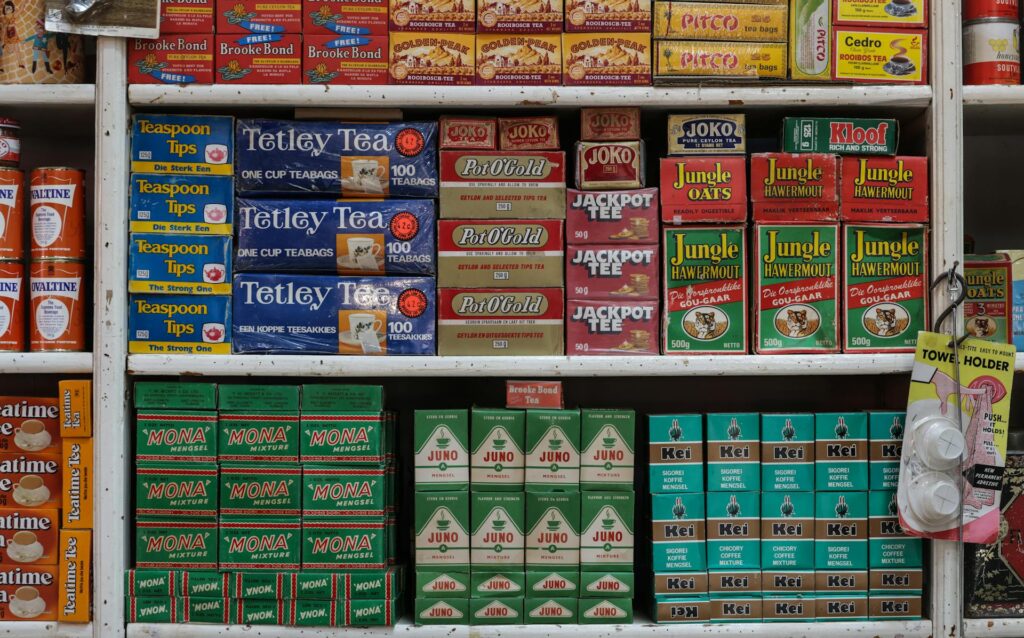
Moving to a new country is exciting, but food is often where homesickness shows up first. You can learn a new language, adjust to a new routine, and still miss the comfort of familiar flavors buckwheat with butter, proper sour cream, smoked sausage, pickled vegetables, or that specific chocolate bar you grew up with. Many immigrants in the U.S. discover that the fastest way to feel grounded is to rebuild a “home pantry.” That’s why searches like eastern european market near me are so common: they’re not just about groceries, they’re about memory, identity, and the small rituals that make a place feel like yours.
Why These Markets Matter More Than You Think
Eastern European stores are cultural hubs disguised as grocery shops. The moment you walk in, you hear familiar accents, see labels in Cyrillic or Polish, and spot products mainstream supermarkets rarely carry. Beyond nostalgia, these markets solve a practical problem: many traditional dishes depend on specific ingredients and tastes. The right kefir, farmer’s cheese, cured meats, or rye bread can’t always be substituted without changing the whole dish. When you can buy the ingredients you trust, cooking becomes effortless again and dinner starts to feel like home.
What You’ll Typically Find on the Shelves
Even if each store reflects its local community, most Eastern European markets share a recognizable mix. You’ll often find grains like buckwheat and semolina; pantry staples such as canned fish, adjika, sauces, and preserves; and an impressive aisle of teas, sweets, and cookies. The refrigerated section is usually the heart of the store, stocked with sour cream, tvorog, kefir, sausages, dumplings, and salads prepared deli-style. Many shops also offer frozen favorites pelmeni, vareniki, blintzes, and ready-to-cook pastries perfect for busy weekdays when you want something comforting without spending hours in the kitchen.
How to Choose a Great Eastern European Store
Quality and freshness matter, especially for dairy, bread, and deli items. A good market keeps high turnover, maintains clean displays, and stores cold products properly. Look for variety across regions: a store that carries Ukrainian, Russian, Polish, Baltic, Georgian, or Balkan items tends to have a deeper selection. Another sign of a solid shop is knowledgeable staff people who can recommend the right herring for a salad, suggest which dumplings are closest to what you remember, or point you to the best candy for a holiday table.
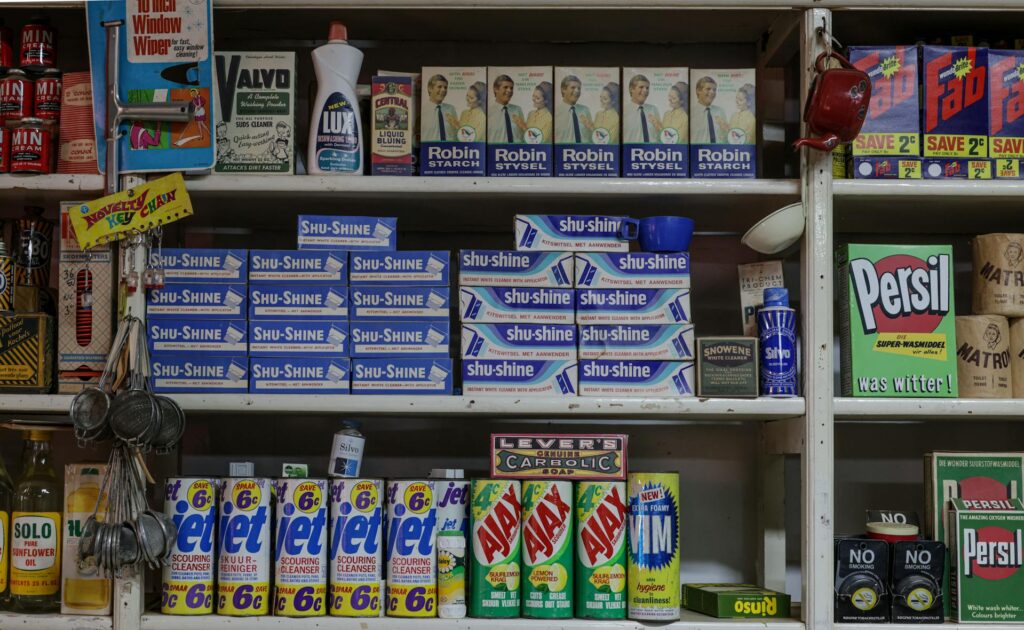
When You Can’t Get There in Person
Not everyone lives near a large immigrant neighborhood, and even in major cities, traffic and schedules can make grocery runs difficult. That’s where online options become especially valuable. Ordering pantry staples, sweets, and selected refrigerated items online can help you keep your kitchen stocked with familiar basics. It’s also a convenient way to prepare for holidays when you need specific ingredients at once and to share a taste of your culture with friends who have never tried it before.
Keeping Traditions Alive, One Meal at a Time
Food isn’t just fuel it’s the language of family gatherings, winter evenings, and celebrations that shaped you. Recreating those meals abroad can turn an ordinary week into something warmer and more personal. If you’re building that “home pantry” from afar, consider using Shop Netcostmarket as one of the ways to access Eastern European products online and keep your favorite recipes within reach.