
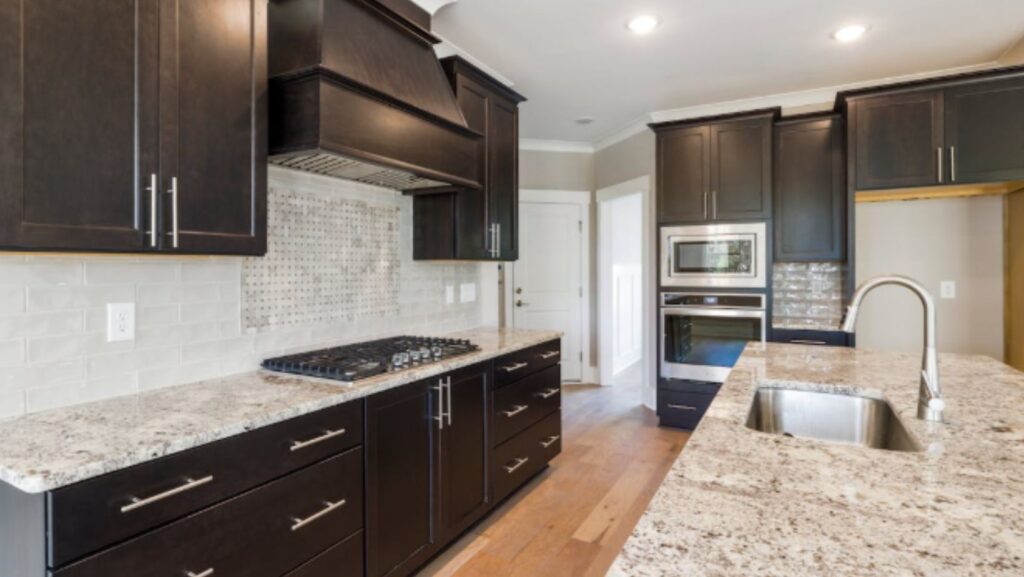
In Decatur, the kitchen is more than a place to cook. It is where families gather before school, where homework gets done at the counter, and where friends linger during visits. When you decide to remodel that space, you picture better storage, brighter lighting, and a layout that finally makes sense. What you may not picture is washing dishes in a bathroom sink or searching through boxes just to find a coffee mug.
A kitchen remodel can disrupt your entire routine if you do not plan for daily life during construction. The good news is you can reduce the stress. With the right preparation and clear decisions, you can move through the process with fewer surprises and more control.
Empty Cabinets with a Smart System
Do not rush the packing process. Start by sorting items into three groups: daily use, occasional use, and rarely used. Wrap fragile items carefully and label every box clearly. Group similar items together so unpacking feels simple later. Keep a small set of dishes and cookware accessible for your temporary kitchen.
For items you will not need during construction, consider moving them out of the house to protect them from dust and damage. Some homeowners use local Decatur storage units to store extra appliances, serving dishes, and pantry overflow until the remodel is complete. Keeping the work area clear allows contractors to move efficiently and reduces clutter in other rooms.
Build a Temporary Kitchen That Works
You do not need a perfect setup, but you do need a functional one. Choose a space with access to outlets and, if possible, running water. A dining room corner or part of the living room can work. Set up a sturdy table or clear counter space for food prep. Keep only essential items within reach, such as a microwave, toaster oven, coffee maker, and a few basic utensils.
Store plates, cups, and pantry staples in labeled bins so you do not waste time searching. Keep cleaning supplies nearby since spills will happen. A simple setup reduces daily stress. When your temporary kitchen feels organized, even basic meals become easier to manage.
Rethink How You Plan Meals
During a remodel, complex recipes create more work than they are worth. This is the time to simplify. Choose meals that require minimal prep and fewer dishes. Slow cookers, air fryers, and electric skillets can handle many tasks without a full kitchen. Prepare and freeze a few meals before demolition begins so you have backups on busy days.
Balance home cooking with takeout when needed. Planning ahead prevents last-minute decisions that cost more money and time. Keep healthy snacks ready so no one feels frustrated between meals. A clear meal plan removes one major source of daily stress and helps your household stay on track.
Control Dust Before It Spreads
Kitchen demolition creates more dust than most people expect. Fine particles travel quickly through open doorways and air vents. Before work begins, seal nearby doorways with plastic sheets and painter’s tape. Close vents in the construction area if your contractor approves. Remove curtains, rugs, and soft furniture from rooms close to the kitchen.
Clean nearby surfaces often, even if they look fine at first glance. Wipe counters, vacuum floors, and check air filters regularly. Taking these steps early prevents heavy buildup later. When you control dust from the start, you protect the rest of your home and avoid spending weeks cleaning after the project ends.
Make Decisions Before the Crew Arrives
Delays often happen when homeowners change their minds mid project. Finalize cabinet styles, hardware, lighting, tile, and paint colors before work starts. Confirm measurements and review drawings carefully. If you need to order materials, make sure they arrive before installation dates.
When you decide early, your contractor can follow a clear schedule. Sudden changes may require reordering materials or adjusting labor, which adds time and cost. Ask questions before signing off on plans so you feel confident. Clear choices reduce stress and keep the project moving. Preparation at this stage prevents rushed decisions later when you already feel tired of construction.
Stay Organized with Clear Records
A remodel involves contracts, invoices, receipts, appliance manuals, and warranty details. Keep all documents in one folder or digital file. Write down product names, paint colors, and model numbers. If an issue comes up later, you will not need to search through emails or drawers.
Track payments and due dates so nothing slips through the cracks. Keep a simple list of questions for your contractor and review them during scheduled check ins. Good records protect you if you need repairs or warranty service in the future. Staying organized also gives you confidence. When you know where everything is, you avoid confusion and miscommunication.
Prepare for Noise and Limited Access
Construction work creates steady noise from tools, hammering, and deliveries. Plan your day around louder tasks if possible. If you work from home, schedule calls outside the house during demolition or heavy installation days. Let neighbors know about the project in advance as a courtesy.
Access to certain areas of your home may be blocked for safety reasons. Respect taped off zones and posted warnings. Keep walkways clear so workers can move safely. If you share your home with children or older adults, explain the limits clearly. Planning for these disruptions helps you respond calmly instead of reacting in frustration when the noise begins.
Focus on Progress Instead of Perfection
Every remodel has small setbacks. A cabinet may arrive late. A tile pattern may need adjustment. Try to focus on steady progress rather than expecting each step to run perfectly. Visit the site regularly and ask questions if something seems unclear. Address concerns early instead of waiting.
Take photos as the project moves forward. Seeing a visible change reminds you that the inconvenience has a purpose. Avoid comparing your renovation to pictures online. Your home has its own layout, budget, and needs. When you focus on steady improvement, you protect your peace of mind and maintain a constructive relationship with your contractor.
A kitchen remodel will test your patience if you walk into it unprepared. The noise, dust, and limited access can disrupt daily life quickly. But when you set clear expectations, build a functional temporary kitchen, plan meals wisely, organize your belongings, and keep routines steady, you stay in control.
Preparation makes the difference between constant stress and manageable inconvenience. Make decisions early, track important documents, and communicate clearly with your contractor. Accept that small delays may happen and focus on steady progress. With practical planning and realistic expectations, you can move through your remodel with confidence and protect your household’s peace along the way.