

Since June 2021, semaglutide has changed weight care across the United States in a big way. You may know it as the once-weekly shot linked to strong results.
In studies, many adults lost about 15% to 18% of their starting body weight, more than with other prescription weight-loss medicines available at the time.
Now, an oral version gives you a needle-free option with similar benefits. That added choice makes treatment feel more flexible and easier to fit into daily life.
Semaglutide Weight Loss is now a leading option for adults who want real support, but you should still look closely at side effects, cost, and overall fit.
What is semaglutide?
Semaglutide is a prescription medicine that replicates a natural gut hormone known as GLP-1. In the United States, it is applied in the long-term management of weight along with a low-energy dietary plan and increased physical exercise for weight loss.
How does semaglutide work for effective weight loss?
Semaglutide aids in consuming less, feeling fuller faster, and remaining content longer. It also enhances blood sugar management which may help maintain more stable energy and more effective weight management in the long run when combined with actual changes in lifestyle.
Slows Gastric Emptying
The Semaglutide helps in slowing the rate at which food exits your stomach following a meal. That mere change means a lot more. Dinners also appear to be more lasting as fullness does not disappear quickly.
Smaller portions may probably suffice, making snacks less enticing throughout the day. Naturally, that does not imply that food sits there eternally. It implies that the digestion is slower. Due to that, hunger signals tend to subside in between meals.
Moreover, there is an increase in blood sugar that occurs more gradually following meals, which can be beneficial in the context of cravings and those sudden, irritating energy spikes.
Appetite Suppression
One of the major factors that makes semaglutide effective is control of appetite. It also targets GLP-1 receptors in the brain and intestine, which cause the hunger to subside.
You do eat, of course, but the incessant urge to continue eating tends to die away. To certain individuals, food noises eventually come to an end of the day.
Such a transformation can alter day-to-day decisions in a practical, real world. You can be content with not so much food and you can quit in time without struggle.
Moreover, the desire to eat fatty or sugary food can become less burning. With time, that renders a deficit of calories to be less uncomfortable to maintain.
Targets Excess Fat
Semaglutide does not target a single body part and melts the fat. Bodies do not work like that. It, however, assists in the generation of the steady calorie deficit required to lose fat by reducing appetite and overall food consumption.
This is important since carrying extra fat, particularly around the waist, is strongly linked with health risk. Waist size tends to reduce with a decrease in body weight.
There were also studies that indicated better body composition and much of the loss was fat mass. Then, well, it is not some accidental weight loss.
Improves Insulin Sensitivity
Semaglutide is also useful in making your body process sugar more effectively. It increases the release of insulin when the blood sugar levels increase and decreases glucagon which is the hormone that causes sugar to go up.
This may enhance daily glucose regulation, in particular, postprandial. Moreover, improved metabolic homeostasis can help to lose weight in the long-term in a healthy manner.
The importance of insulin sensitivity is that insulin resistance is high, and thus weight loss would become more difficult. As the body becomes more responsive to insulin, the effects of blood sugar imbalances can be calmed.
Who Should Take Semaglutide for Weight Loss?
Semaglutide is not the product that can suit everybody who wants to lose several pounds.
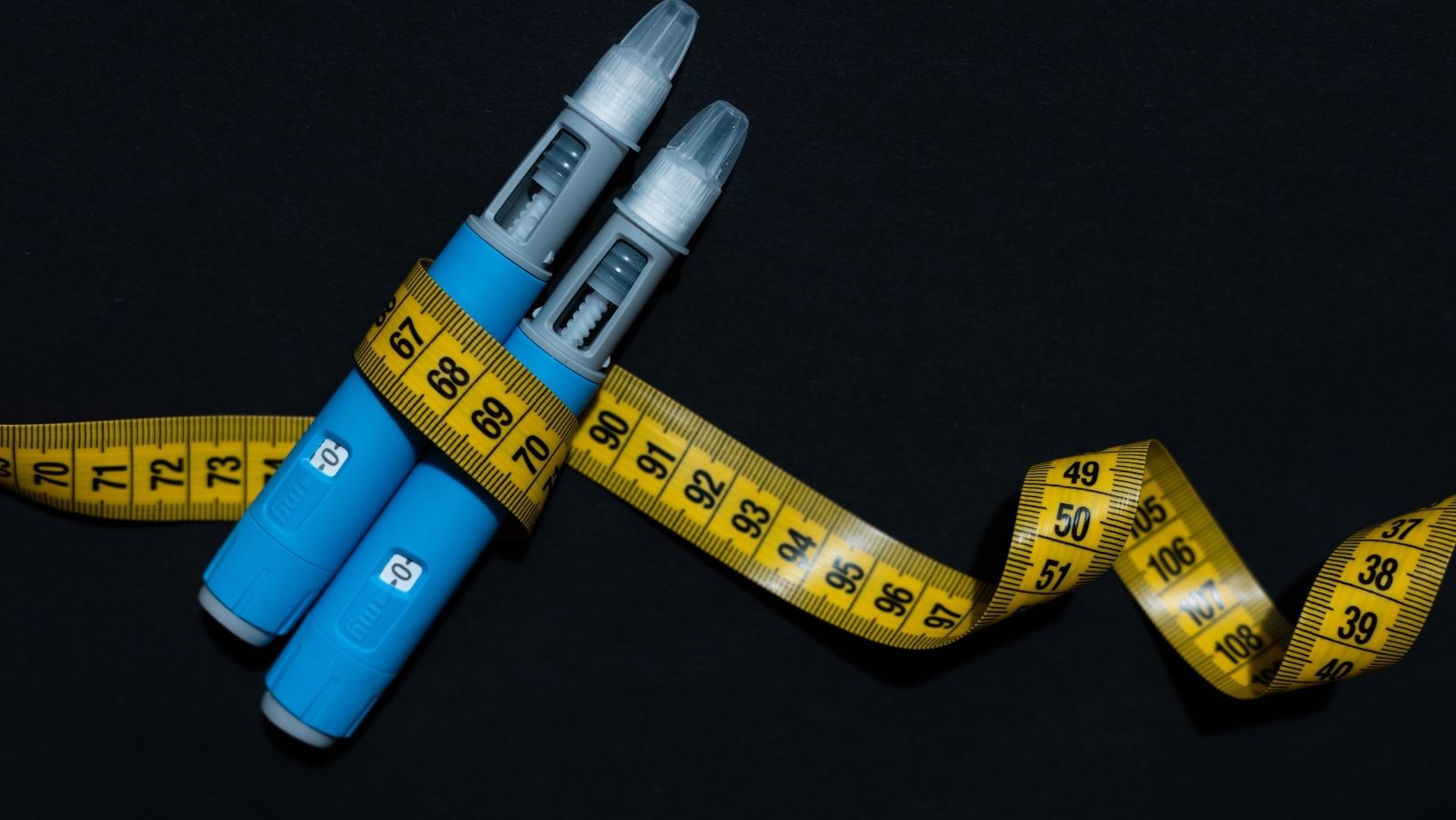
It is usually applied to overweight adults and have at least one weight-related complication and is most effective when long-term care is needed, not a short-term solution.
BMI Consideration
One of the initial filters is body mass index or BMI. Semaglutide was also used in the weight-management trials and FDA labeling in adults with a BMI of 30kg/m2 or greater.
It was also applied to adults whose BMI was 27 years and above in the presence of another weight-related condition.
BMI is not ideal and that is worth noting. It does not present muscle mass, body frame and fat distribution. Nevertheless, it provides a starting point for fast treatment decisions. The clinician typically examines BMI along with waist size and lab tests, symptoms, and history of health issues in your clinician.
People with Weight-Related Health Issues
Semaglutide could be more reasonable in case excess weight has already taken its toll on health. That involves such things as high blood pressure, abnormal cholesterol, or type 2 diabetes.
When that happens, it is not just about appearance when it comes to weight loss. It is concerning reducing the load on the heart, joints, metabolism, and everyday life.
This is the place where the medicine may be particularly of service. A small loss of weight can result in the betterment of blood sugar, mobility, and other risk indicators.
Semaglutide has also been examined in overweight or obese adults in long-term trials, demonstrating significant weight loss. Such a change could make the conditions related to it easier to handle.
Those Who Have Tried Other Weight Loss Methods
Many individuals seeking information about semaglutide have already adopted conventional wisdom, such as taking more walks, eating less, and drinking less soda. Perhaps one of the commercial schemes that had prospered for a month then collapsed.
In case that resonates, semaglutide could provide an additional helping hand, modifying hunger biology, but not simply depending on willpower.
Maintaining weight is cumbersome and the human body rebels against it as hunger increases, fullness diminishes and stagnation occurs. Semaglutide may assist in reducing those barriers, and this is why it may be useful in situations when other interventions have led to minor or temporary improvements.
People Committed to Long-Term Lifestyle Changes
The weight-loss signal is associated with an energy-limited intake and physical exercise. Yes, it is the medicine that works, but the routines are important. The outcome is determined by sleep, food preferences, movement and follow-up visits.
The commitment over a long period is important since there is no single instance of weight management. Dose adjustments, side-effect assurance, and honest check-in reviews of progress may be required of you.
Habits are also useful in safeguarding results in the long run. The best trial outcomes were achieved with continuation of treatment and lifestyle support and not with medicine in the background.
Conclusion
Semaglutide can change weight loss by working with your hunger and habits. You may see better results when the treatment fits your health needs. It is often best for adults needing steady support, not fast fixes.