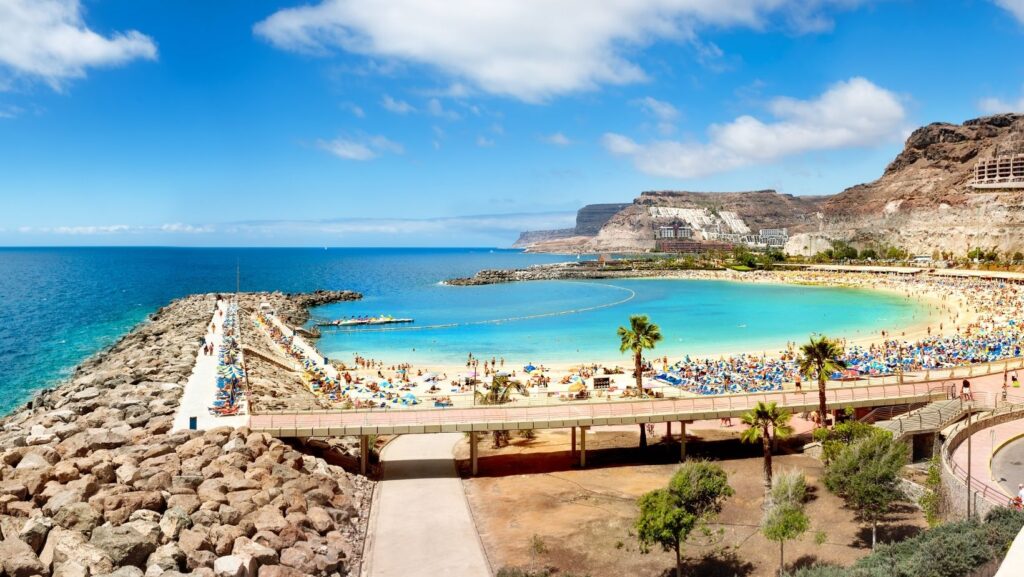
Gran Canaria is often called a miniature continent, and for good reason. The island packs an extraordinary range of landscapes into just over 1,500 square kilometres. From lush pine forests and volcanic craters to windswept coastal cliffs, a rental car and a sense of curiosity will reveal a side of the island that most beachgoers never experience.
Many visitors to the Canary Islands spend their holidays lounging by the pool, scrolling their phones between swims to check live cricket odds or browse social media. That is a perfectly valid way to unwind, but Gran Canaria has far more to offer than its southern tourist strip. The interior highlands, the rugged western coastline, and the green northern valleys all deliver scenery that rivals anything on the European mainland.
The Central Highlands: Las Palmas to Tejeda
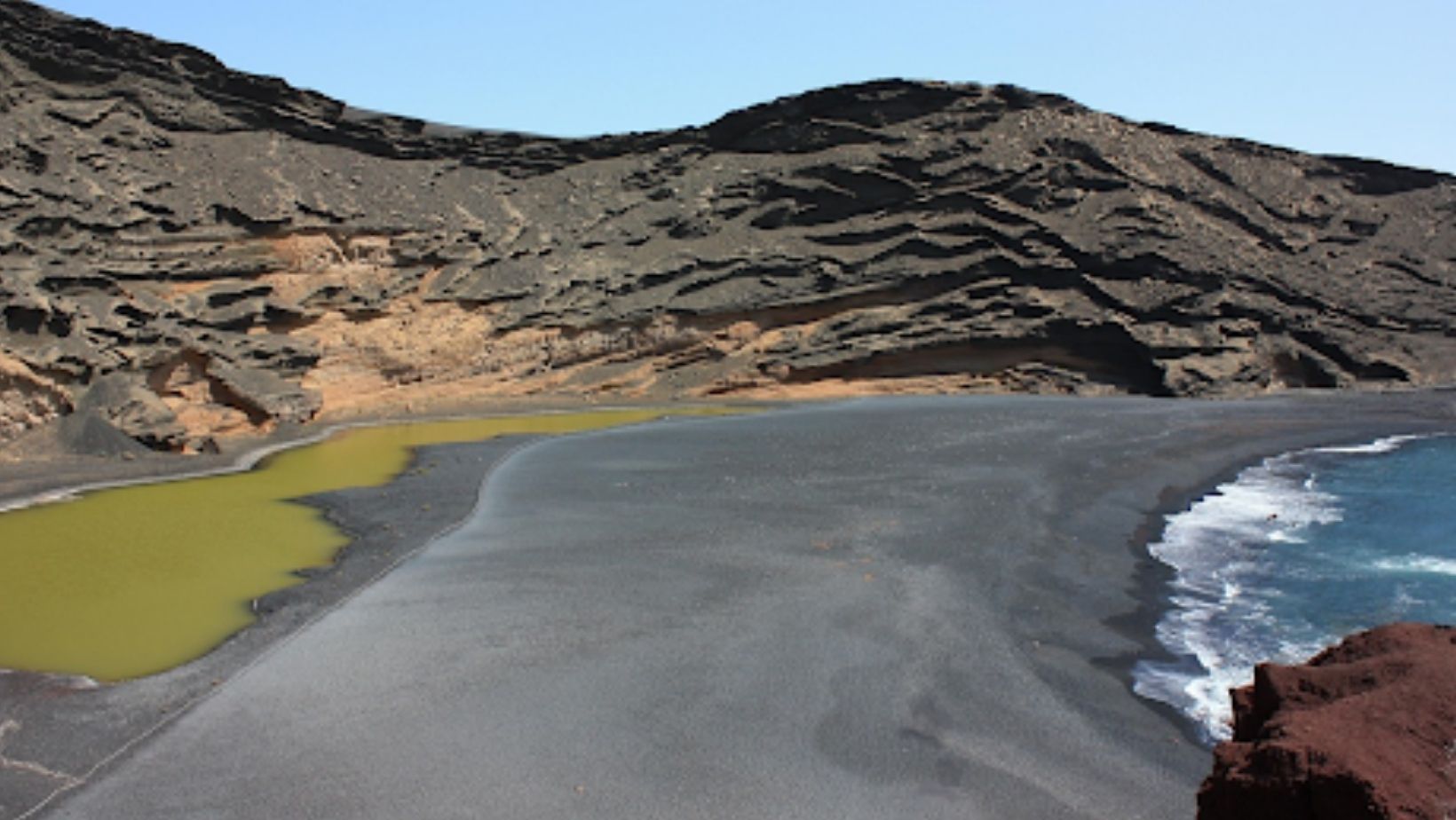
The route from Las Palmas into the mountainous heart of the island is one of the most rewarding drives you can take. Heading southwest on the GC-15, the urban sprawl quickly fades and gives way to terraced hillsides dotted with almond trees. The road climbs through the agricultural villages of San Mateo and Santa Brigida, where weekend markets sell local cheeses, wine, and fresh produce.
Roque Nublo and the Summit Views
The final stretch into Tejeda is nothing short of spectacular. The village sits at around 1,050 metres above sea level, and from several lookout points along the way, you can see the iconic Roque Nublo rising dramatically from the ridgeline. On a clear day, Mount Teide on neighbouring Tenerife is visible in the distance.
The Western Coast: Agaete to Puerto de Mogan
Starting in the fishing village of Agaete, known for its natural rock pools and locally grown coffee, the GC-200 winds south through some of the wildest terrain on the island. The road clings to the cliffs and offers sweeping views of the Atlantic far below.
Along the way, you pass through La Aldea de San Nicolas, one of the most remote municipalities in Gran Canaria. It is a farming community hemmed in by steep ravines, and the sense of isolation feels almost otherworldly. The landscape gradually softens as you continue south toward Puerto de Mogan, a harbour town with canal-lined streets and colourful buildings.
What to Pack for a Gran Canaria Road Trip
Preparation makes a real difference on these winding mountain roads. Here are the essentials worth bringing along:
- Plenty of water, especially in summer when temperatures regularly climb above 30 degrees Celsius
- Sunscreen and sunglasses, since UV exposure at higher elevations can catch you off guard
- Comfortable walking shoes for short hikes at viewpoints, ravines, and village trails
- A light jacket or fleece, as highland temperatures drop significantly compared to the coast
- A fully charged phone with offline maps downloaded, since mobile signal fades in the western mountains
The Northern Green Route: Cruz de Tejeda to Artenara
The northern half of Gran Canaria is dramatically greener than the arid south. From the crossroads at Cruz de Tejeda, the GC-210 heads northwest toward Artenara, the highest village on the island at roughly 1,270 metres above sea level.
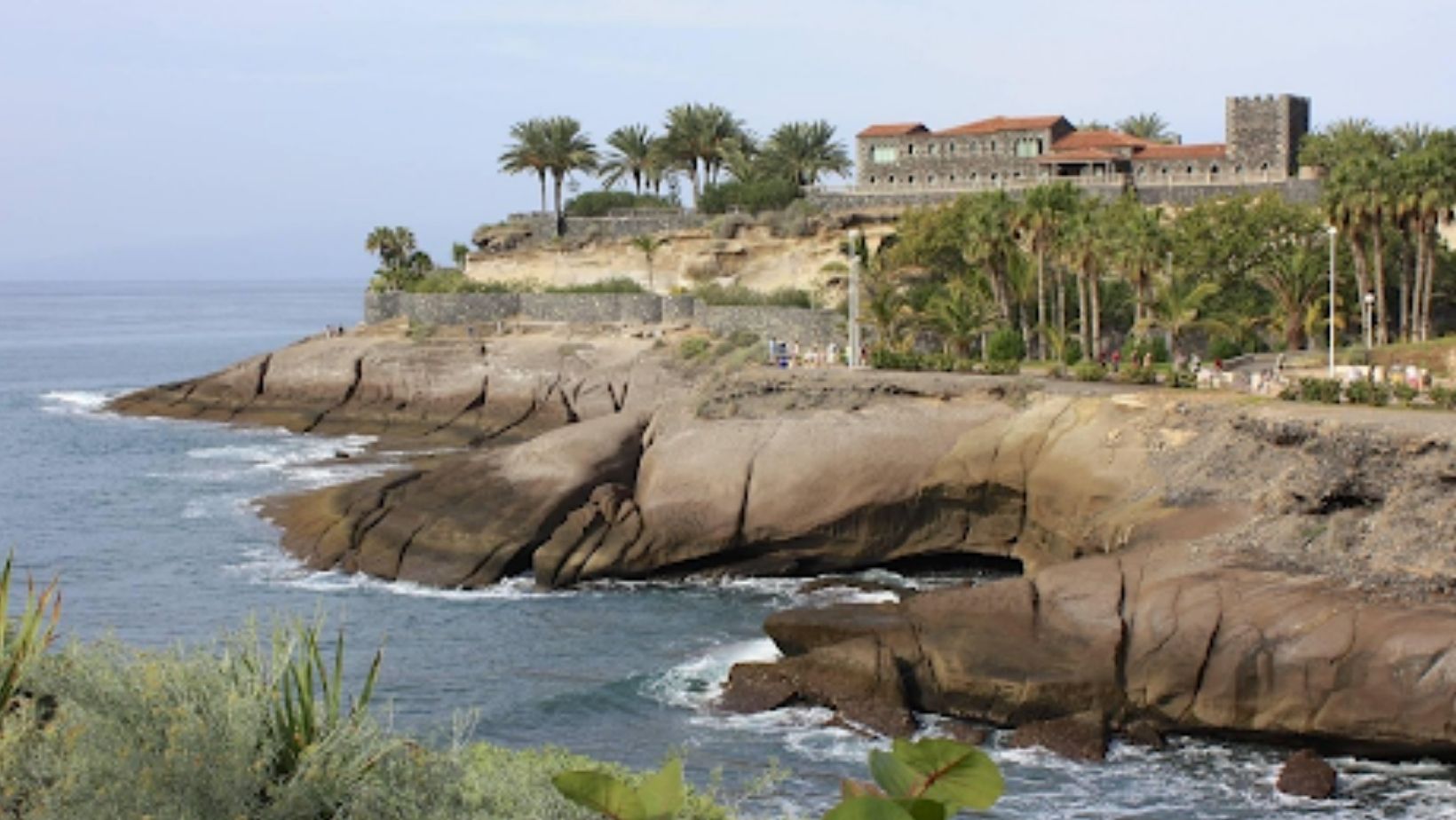
Artenara is famous for its cave houses, many of which are still inhabited today. The village also has a cave church carved directly into the rock face. Stopping here feels like stepping into a different century, far removed from the tourist hubs of Playa del Ingles and Maspalomas.
Practical Tips for Driving on the Island
The roads across Gran Canaria are generally well maintained, but the mountain routes are narrow, full of hairpin bends, and occasionally shared with tour buses. A smaller rental car makes navigation far easier, especially on the western coastal road, where passing oncoming traffic takes patience and careful timing.
Fuel stations become scarce once you leave the main towns. Filling up before heading into the highlands or along the GC-200 is always a smart move, and early mornings are the best time to set out for both cooler temperatures and thinner traffic at popular viewpoints.
In Conclusion
Gran Canaria is one of those rare islands where every route feels like a reward in itself. Getting behind the wheel and heading into the interior or along the coast will show you landscapes that most visitors to the Canaries will never see from their resort pool on the southern shore.