
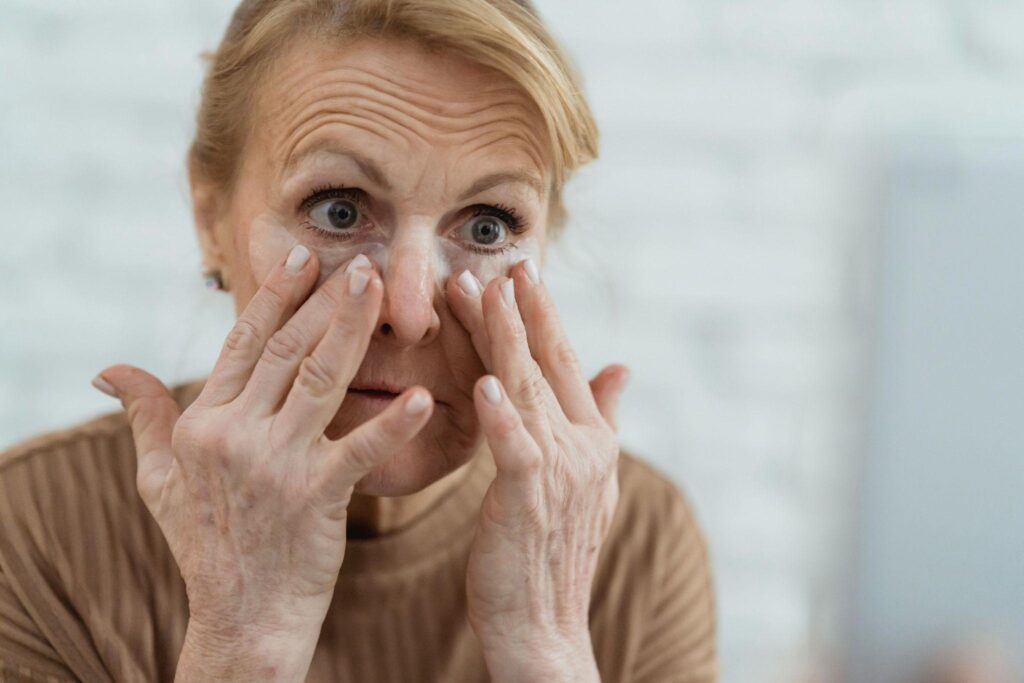
You look in the mirror. Your eyes seem tired. Heavy. Older than you feel. You try fancy eye creams. You get more sleep. Nothing changes. That extra skin on your upper lids is not going away. Those bags under your eyes are staying put. So you start thinking about surgery. That is a big step. Good for you. But what is it actually like? Not the brochure version. The real one. Let me walk you through the whole thing.
Finding the Right Place for Your Eyes
Not every clinic treats eyelids the same way. Some focus on noses or breasts. Others specialize in the delicate eye area. That is a huge difference. The blepharoplasty Toronto clinics, for example, that get the best results are the ones who do this procedure every single day. They have seen every eye shape. Every skin type. Every age. They know how to hide scars in your natural crease. They know how much skin to remove so you do not look surprised. Do your research here. It matters.
The Consultation Is an Eye Opener
You walk into the office. The surgeon looks at your eyes from every angle. They pull out a little tool. They measure how much your lids droop. They check if the skin blocks your vision. That is a functional test. Some people qualify for insurance coverage if their vision is affected. The surgeon will also talk about your goals. Do you want a natural refresh? Or a more dramatic change? Be honest. Bring photos of what you like. This conversation sets the whole plan.
What Happens on Surgery Day
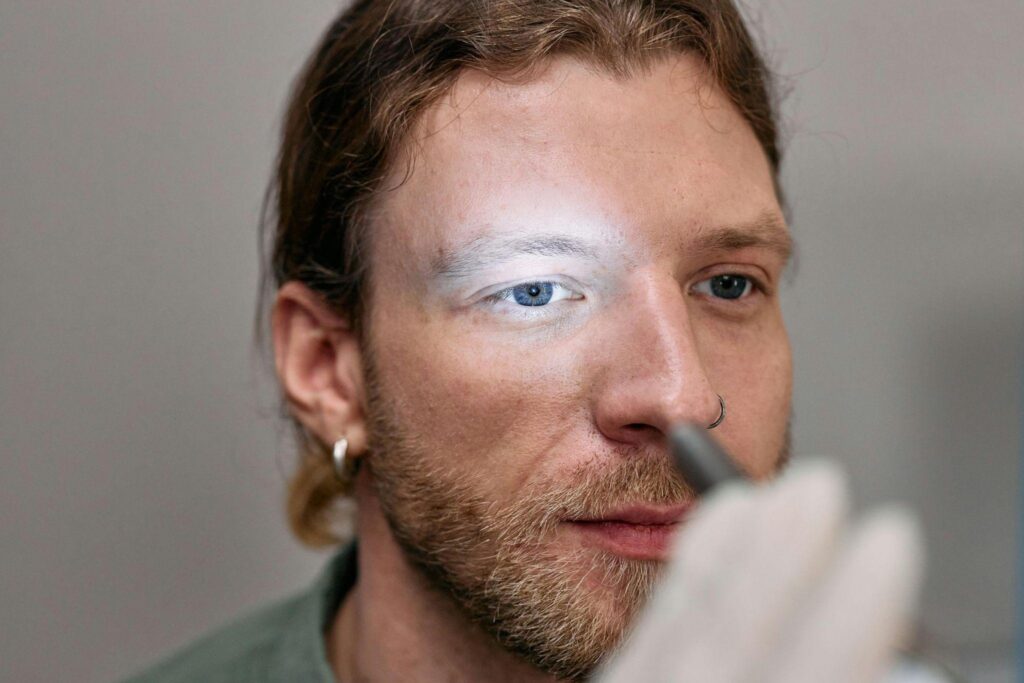
You arrive at the clinic. You change into a gown. A nurse starts an IV. The surgeon comes in. They draw little marks on your eyelids. Those marks guide their cuts. Then you go to the operating room. You get sedation or local anesthesia. You are awake but very relaxed. You feel some tugging. No pain. The whole thing takes one to two hours. Upper lids alone are faster. Adding lower lids takes more time. Then you are done. You go home the same day.
The First Few Days Are Weird
Let me be real. Your eyes will look scary at first. Swollen. Bruised. Maybe purple or yellow. You will have tiny stitches. Your vision might be blurry from ointment. You need to ice your eyes a lot. Like twenty minutes on, twenty minutes off. You sleep with your head elevated. That reduces swelling. You cannot wear contacts. You cannot rub your eyes. You cannot bend over or lift anything heavy. Plan to do nothing for three to five days. Seriously. Nothing.
The Stitches Come Out Fast
Here is some good news. Stitches come out after about five to seven days. That is quick. The removal does not hurt. Just a little pinch. Once the stitches are out, you look much better. The bruising starts to fade. The swelling goes down. You can wear makeup to cover any leftover marks. Most people feel comfortable going out in public after one week. You still look a bit puffy. But not scary. Just like you did not sleep well. That is normal.
Scars That Hide Really Well
Eyelid surgery scars are tiny. The upper lid scar sits right in your natural crease. When your eyes are open, nobody sees it. When your eyes are closed, it looks like a fine line. That line fades over several months. The lower lid scar is even better. Some surgeons go inside the lower eyelid. That leaves no external scar at all. Other surgeons make a tiny cut just below your lash line. That scar blends in. Most people cannot find it after a year.
The Results Take Time
Do not expect your final look right away. The first week is rough. The second week is better. But full healing takes months. Your eyelids will settle into their new shape over six to twelve months. The scars will continue to fade. The puffiness will completely go away. Be patient. That is the hardest part. You want to see the finished product now. But your body needs time. Trust the process. Follow your surgeon’s aftercare instructions. The wait is worth it.
Real Talk About Pain and Discomfort
People always ask about pain. Here is the truth. It is more annoying than painful. Your eyes feel dry. They feel gritty. Like you have sand in them. You use lubricating drops constantly. That helps. You might have light sensitivity. Wear sunglasses even indoors at first. Pain medication is usually over-the-counter stuff. Tylenol works fine. Most people stop needing any pain relief after three or four days. The worst part is the boredom. You cannot watch TV or read for long. Listen to podcasts instead.
When You See the Real Change
One morning you wake up. Maybe three months after surgery. You look in the mirror. And you stop. Your eyes look bright. Open. Rested. You did not even notice the change happening day by day. But now you see it. That heavy, tired look is gone. People ask if you went on vacation. They say you look well-rested. They cannot tell you had surgery. That is the goal. You look like yourself. Just a fresher, more awake version. That feeling is everything.