
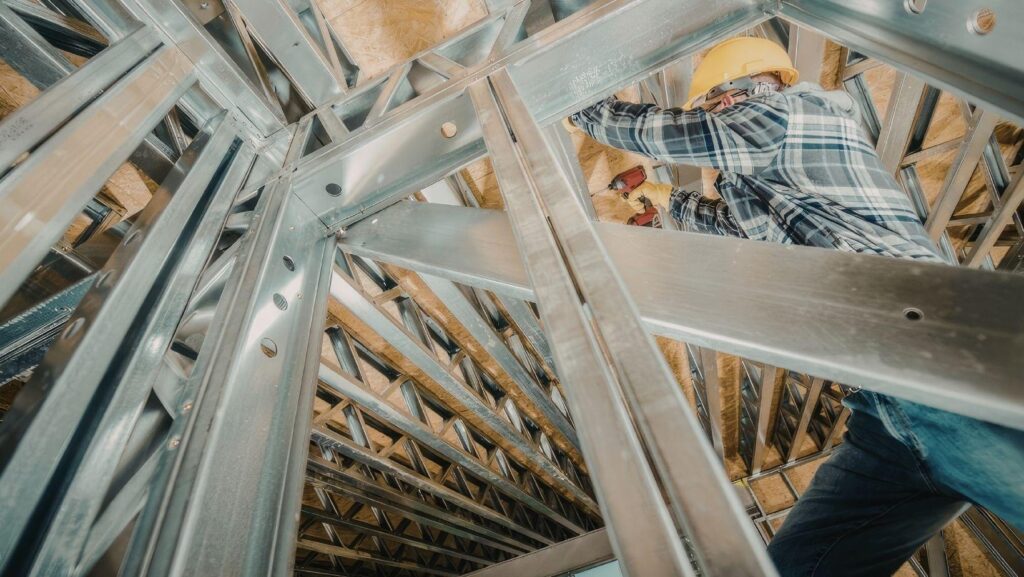
Steel storage structures support a wide range of commercial and agricultural needs. Their strength, flexibility, and long-term durability make them a dependable choice for safeguarding valuable equipment, supplies, and operational assets. Proper insulation plays an essential role in this performance because it shapes interior comfort, protects stored items, and helps maintain efficient energy use.
Many owners choose steel equipment storage buildings for their cost efficiency and low maintenance demands. Insulation decisions then become central to how well these structures function through seasonal changes. This article highlights the most influential insulation factors that elevate overall performance and reliability.
Thermal Control That Supports Interior Stability
Temperature swings can affect both the structure and what it protects. Solid insulation helps regulate temperatures, reduces heat transfer, and prevents uncomfortable hot or cold zones.
Core Elements of Effective Thermal Control
A well-insulated structure performs with greater consistency, which is especially valuable for equipment prone to temperature sensitivity. Selecting insulation with strong R-values for the region helps maintain a comfortable and stable interior environment throughout the year.
Moisture Prevention That Protects Structural Health
Moisture presents one of the most common risks to long-term building integrity. Condensation inside metal structures can cause corrosion, mildew, or damage to stored goods. Smart insulation strategies help limit this risk by controlling vapor movement and reducing temperature differences that lead to moisture buildup.
A dependable vapor barrier paired with high-quality insulation minimizes the chance of internal dampness. Builders also emphasize precise sealing around joints, fasteners, and openings to reduce exposure to humid air. This combination helps protect both the steel frame and the items stored inside.
Airflow Balance That Improves Efficiency
Air movement plays a major role in energy usage and interior comfort. When insulation is installed with care, it supports proper ventilation and reduces unwanted drafts.
Advantages of Balanced Airflow
A controlled airflow path improves the building’s ability to maintain stable conditions. This balance matters for long-term storage needs and contributes to lower operational costs.
Noise Reduction That Enhances Utility
Many steel storage structures sit in busy work environments with machinery, traffic, or weather-related noise. Insulation can soften these external sounds to create quieter, more usable interior spaces. Structures that house sensitive equipment or require staff access benefit from this improvement.
Acoustic performance increases with insulation that features dense fibers or layered systems. Reducing noise intrusion helps preserve equipment and improve the overall function of the space.
Energy Savings That Support Long-Term Value
The right insulation system reduces heating and cooling demands throughout the building’s lifespan. This efficiency translates into noticeable savings for operations that rely on consistent interior temperatures.
Insulation also supports environmentally conscious goals. Lower energy use can reduce environmental impact while still protecting stored items. Many projects combine reflective barriers with conventional insulation layers to maximize energy retention and boost long-term performance in steel equipment storage buildings as they adapt to heavy use.
Insulation plays an essential role in strengthening storage performance for steel structures. Better temperature control, lower moisture risks, improved airflow, and dependable energy efficiency all contribute to long-lasting value. When insulation choices reflect the needs of the structure and the climate, the building performs with greater reliability and protection. A well-insulated steel storage system supports smooth operations, reduces maintenance concerns, and ensures that equipment and assets remain secure for years to come.