
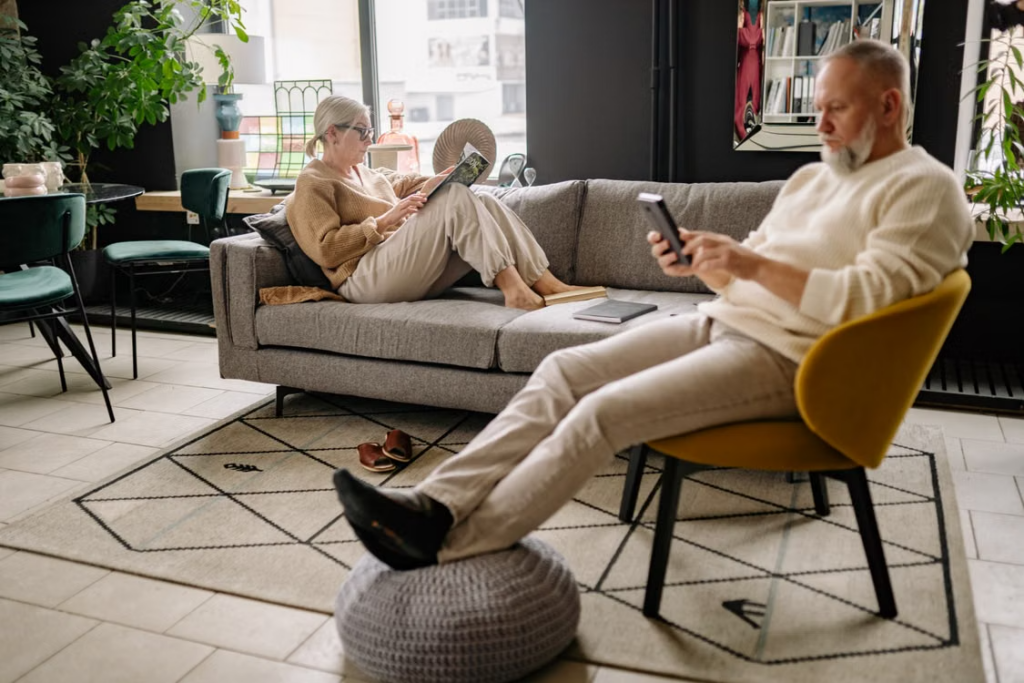
Modern adult life can feel relentless, with a constant stream of responsibilities competing for attention. Work demands, financial pressures, and daily routines often take priority, leaving limited time to slow down. Many adults now feel pressure to monetise their hobbies, raising an important question: Why should hobbies remain separate from side hustles?
Traditionally, hobbies have served a clear and important role. They provide a mental break from routine and support relaxation after a demanding day. When this downtime is reduced or removed, it can contribute to ongoing mental fatigue and reduced overall wellbeing, even if daily tasks seem manageable.
The idea of turning hobbies into income can appear practical. However, not every activity needs to produce measurable results. Understanding the psychological value of leisure without expectations can help individuals make more intentional choices about how they spend their free time.
Not everything needs to make money
Many adults feel subtle pressure to make every hour productive. Free time is often viewed as an opportunity to earn, improve, or optimise. This productivity-driven mindset can shift hobbies from enjoyable activities into performance-based tasks, reducing their ability to provide genuine relaxation.
Even when hobbies do not generate income, they still offer meaningful benefits. Whether it is painting, cooking, or solving puzzles, these activities create space for relaxation without requiring outcomes or validation. This type of engagement allows the brain to disengage from goal-oriented thinking, which is essential for mental recovery.
Some people also turn to digital forms of leisure during their downtime, reflecting the rise of screen-based entertainment in daily life. In some cases, this includes playing online casino games for light entertainment. When approached with clear limits and awareness, it can remain a simple way to have fun rather than something tied to performance or financial outcomes.
Hobbies that require minimal structure can also support mindfulness by helping individuals focus on the present moment without distraction. This sense of presence is often what people seek after a long and demanding day.
Work already takes enough time
A typical day is already filled with work and responsibilities. Even outside working hours, emails, notifications, and unfinished tasks often remain mentally present, making it difficult to fully relax. When a hobby becomes a side hustle, the work mindset extends into personal time, turning rest into another obligation.
Free time is most effective when it feels separate from responsibility. Activities that do not require results or measurable progress allow individuals to recharge more effectively. This clear boundary between work and leisure supports better mental recovery and can improve overall productivity during working hours.
Time is limited, but not every moment needs to be optimised for output. Choosing intentional rest can act as a counterbalance to productivity culture and help prevent long-term burnout. This decision can have a meaningful impact on both focus and energy levels.
Rest feels different without goals
Rest is often misunderstood in modern routines. Many people believe they are resting while still trying to achieve or improve something. True rest occurs when there are no targets or expectations attached.
Hobbies without defined goals allow the mind to slow down naturally. There is no need to measure progress or evaluate performance, which reduces pressure and makes the activity feel more restorative.
Once goals are introduced, the experience can change significantly. Even a relaxing activity can begin to feel structured or demanding, limiting its ability to support mental recovery. A slower, unstructured pace allows the brain to reset more effectively, which can improve mood and reduce stress over time.
Pressure can take the joy out of hobbies
Many hobbies begin as simple and enjoyable activities. Over time, external expectations or financial incentives can change that experience. What once felt effortless can become task-oriented and demanding.
When money becomes involved, there is often an added layer of performance. People may feel pressure to meet standards, produce results, or compete with others. This can introduce stress into activities that were originally intended to provide relief.
Keeping hobbies separate from pressure helps preserve their purpose. They remain a space where outcomes are not important, and effort can remain low. This allows individuals to reconnect with intrinsic enjoyment rather than external validation.
Letting go of expectations can also make hobbies more satisfying. Without the need to constantly improve or compare, the activity can return to its original sense of ease and enjoyment.
Free time helps people stay balanced
Maintaining balance can be challenging when work, family, and daily responsibilities compete for attention. Without proper breaks, it becomes easier to feel mentally and physically drained.
Hobbies create opportunities for recovery by offering something enjoyable without added pressure. They provide a consistent way to step away from routine demands, which can improve both mood and energy levels.
Spending time on simple activities also supports mental clarity. It allows the mind to pause from continuous problem-solving and decision-making. This mental reset can improve resilience and make it easier to manage challenges in other areas of life.
Letting go of guilt around free time is an important step. Leisure does not need to be justified through productivity. Engaging in hobbies purely for enjoyment supports a more sustainable and balanced approach to daily life.
Final words
The expectation that every hobby should generate income reflects a broader shift toward constant productivity. However, this approach is not always beneficial. Adults already manage significant responsibilities, and their free time should not add further pressure.
Keeping hobbies simple allows them to serve their original purpose. They offer a way to rest, reset, and reconnect with personal interests without expectations. In many cases, this kind of unstructured time is not just beneficial but necessary for maintaining long-term well-being and balance.