Weekends in active households rarely involve much sitting still. Between early football matches, swimming lessons, parkrun and a parent squeezing in a long bike ride, Saturday and Sunday can feel busier than the working week. Keeping everyone fuelled, hydrated and in good spirits takes a bit of forward planning, and the kit bag often matters just as much as the kit itself.
Here’s a practical look at what’s worth packing to keep a family weekend of sport running smoothly.
Snacks That Actually Travel Well
Food is usually the first thing to run out, and hungry children on a cold touchline aren’t a recipe for a happy morning. The best snacks are ones that won’t squash, melt or leak in a bag. Bananas, satsumas, crackers, rice cakes and small pots of dried fruit are all reliable choices that suit most ages.
For adults heading out on longer training sessions, something more substantial helps. Many cyclists and runners keep a few energy bars in a jersey pocket or bag for rides and runs lasting more than an hour, as they offer a steady supply of carbohydrate in a compact, easy-to-carry format. Oat-based options tend to be gentle on the stomach and are simple to eat on the move.
For children, homemade flapjacks or banana bread are a great option. They can be baked in bulk on a Sunday evening, sliced and frozen, then taken out as needed through the week.
Hydration for Everyone
Every family member needs their own labelled water bottle. It avoids arguments and makes it much easier to keep track of how much everyone’s drinking. On warmer days or during longer sessions, children often forget to drink until they’re already thirsty, so gentle reminders at half time or between races help.
Water is the best choice for most children’s sports. For adults doing longer or more intense sessions, especially in warm weather, a drink with added electrolytes can help replace the salts lost through sweat.
Layers, Layers, Layers
British weather has a habit of changing mid-match. A bag with spare jumpers, waterproof jackets, hats and gloves means nobody ends up shivering on the sidelines. A small blanket or a foldable seat for spectators makes long tournaments far more comfortable, and a spare pair of socks for each child is always worth having. Muddy pitches and puddles have a way of finding their way into trainers.
Kit Bag Checks
Kit has a habit of going missing between Friday night and Saturday morning. A quick check of boots, shin pads, goggles, swimming caps and cycling helmets before bed saves a frantic search at 7am. It’s also worth keeping a small drawstring bag of spares, such as hair bobbles, a spare pair of goggles, bike inner tubes and a pump, as these are the items most likely to fail at the worst possible moment. A couple of carrier bags for wet kit on the way home stop everything else in the bag from getting soaked.
The First Aid Basics
A small first aid kit is one of those things nobody thinks about until it’s needed. Plasters, antiseptic wipes, an instant ice pack and some blister plasters cover most minor bumps and scrapes. Sun cream is worth keeping in the bag all year round, as bright spring and autumn days can still cause burns, particularly at long outdoor events.
Recovery After Sport
What happens after sport matters as much as what happens during it. A proper meal within a couple of hours of finishing helps growing bodies and tired adults recover. Something balanced with carbohydrates, protein and vegetables works well, whether that’s a roast dinner, a pasta bake or homemade wraps.
A snack straight after exercise can help bridge the gap if dinner is a while away. A glass of milk, a yoghurt, a cheese sandwich or a handful of nuts are all easy options. Sleep is just as important, and a busy weekend of sport is often followed by a very early bedtime.
Planning Ahead Saves Stress
The busiest weekends run most smoothly when the bags are packed the night before. Keeping a checklist on the fridge helps everyone remember their kit, and giving older children responsibility for packing their own bags teaches them a bit of independence along the way.
Batch cooking a couple of easy meals, laying out kit and charging any sports watches or bike lights on a Friday evening can take a surprising amount of pressure off. It means weekends can be spent enjoying sport together rather than rushing around looking for a missing shin pad.
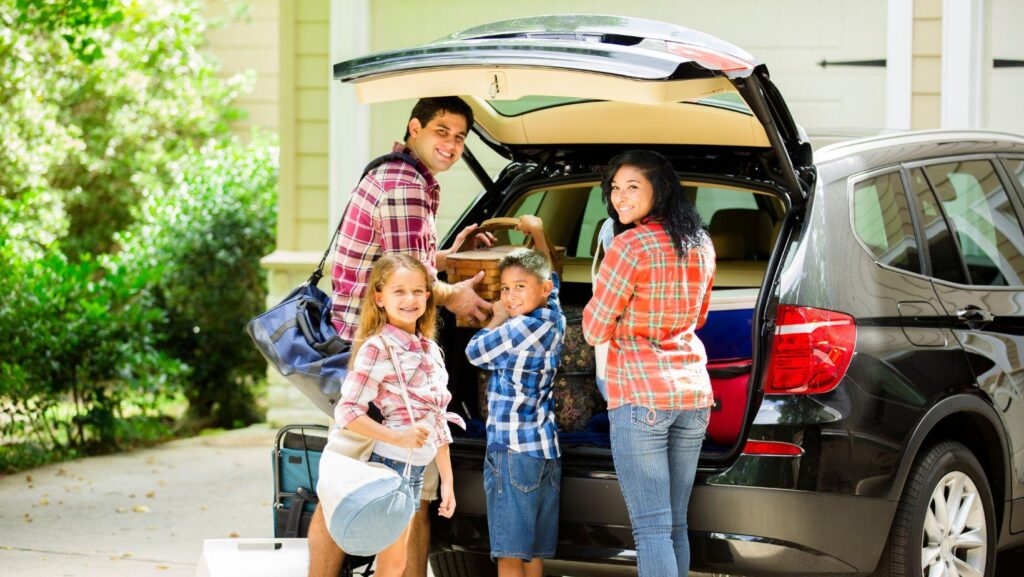
It’s also worth keeping a small emergency stash in the car: a spare water bottle, a couple of snacks, a towel and a bin bag for muddy boots. It’s the kind of thing that feels unnecessary right up until the moment it saves the day.
Active weekends are one of the best ways for families to spend time together, build healthy habits and create happy memories. With the right things packed, they can be a lot less chaotic too.