

Urban life is full of movement, noise, and constant activity. While this energy is what makes cities exciting, it also creates an ongoing need for areas where people can pause, breathe and regain a sense of calm. Thoughtful urban design can transform even the busiest settings into places that support comfort, relaxation, and community wellbeing.
Creating spaces that feel peaceful isn’t about removing the liveliness of cities. Instead, it’s about balancing activity with opportunities to rest and reconnect. Below is a practical guide to shaping urban environments that feel calm, welcoming and comfortable for everyone.
Start with Sensory Ease
In cities, people are often surrounded by sensory overload. Reducing this impact is the foundation of creating calmer environments. Designers can use natural materials, soft textures and understated color palettes to ease visual tension. Water features, gentle lighting and quiet corners help create soothing atmospheres.
Small shifts in sensory design can make a busy location feel noticeably more peaceful without affecting its functionality.
Prioritize Comfortable Seating and Layouts
People need places to pause. Seating should be positioned where individuals can relax without feeling rushed or exposed. Good placement includes shaded benches, seating walls, small clusters of chairs and rest points along pedestrian routes.
Comfortable seating also encourages positive social behavior. When people feel at ease, they interact more kindly and use the space more respectfully.
Use Nature to Create Breathing Spaces
Green elements are proven to reduce stress and enhance wellbeing. Even small touches of nature can change the feel of a space. Trees, planting beds, pocket parks and climbing greenery soften hard urban edges and provide visual relief. These natural layers help create a calmer rhythm within fast moving streets.
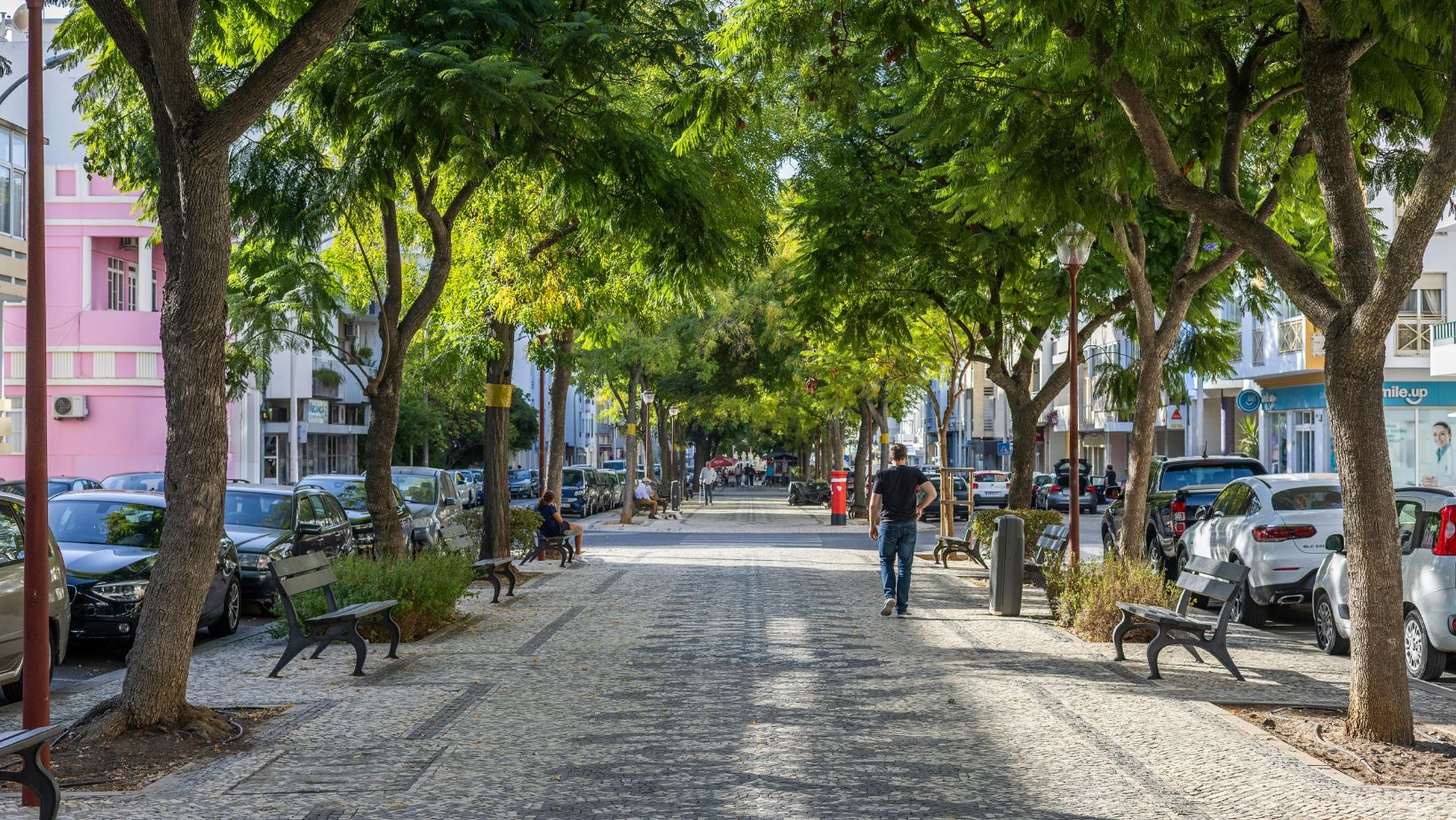
For larger spaces, designers can integrate green corridors that guide pedestrians through quiet, shaded routes. These corridors offer a refreshing escape from intense urban environments.
Support Inclusive Design for All Users
Urban spaces become calmer when they’re easy for everyone to use. Clear signage, smooth pathways, well-lit routes and accessible seating all help ensure that people of all ages and abilities can move comfortably and confidently.
An inclusive approach builds a sense of safety, which directly contributes to an overall feeling of ease.
Manage Behavior and Safety Through Ethical Stewardship
Maintaining comfort in public spaces sometimes requires tools that help guide behavior in sensitive ways. For example, some cities use technologies such as Mosquito anti homeless devices to discourage late-night loitering or disruptive behavior. These systems are typically part of broader management strategies that aim to balance the comfort of nearby residents and businesses with the need for spaces to remain welcoming and safe.
It’s important for planners and decision makers to use such tools responsibly and to pair them with compassionate urban policies that support vulnerable groups through social services, housing programs and community outreach. Ethical stewardship ensures that public areas remain calm while treating all individuals with dignity.
Create Flow, Not Congestion
Crowding can instantly disrupt the feeling of calm in any environment. Designing spaces with thoughtful movement patterns helps people navigate without stress. Good flow includes well-positioned walkways, clear entry points and routes that naturally disperse foot traffic.
When people move easily, spaces feel more open, safe and breathable.
Encourage Small Moments of Connection
Calm doesn’t mean isolation. In fact, gentle human interaction can make a space feel warmer and more comforting. Designers can encourage this through shared seating, community notice boards, small markets or pop up installations that spark positive engagement.
Creating these opportunities allows people to connect at their own pace, which adds emotional comfort to the physical environment.
Creating Calm is a Conscious Choice
Busy cities don’t have to feel overwhelming. With thoughtful design, even the most active neighborhoods can include pockets of comfort and calm. When planners consider sensory balance, nature, accessibility, ethical behavior management and human connection, they create spaces where people feel happier and more grounded.
Calm urban environments aren’t a luxury; they’re essential elements of healthy, modern cities that value both activity and wellbeing.