
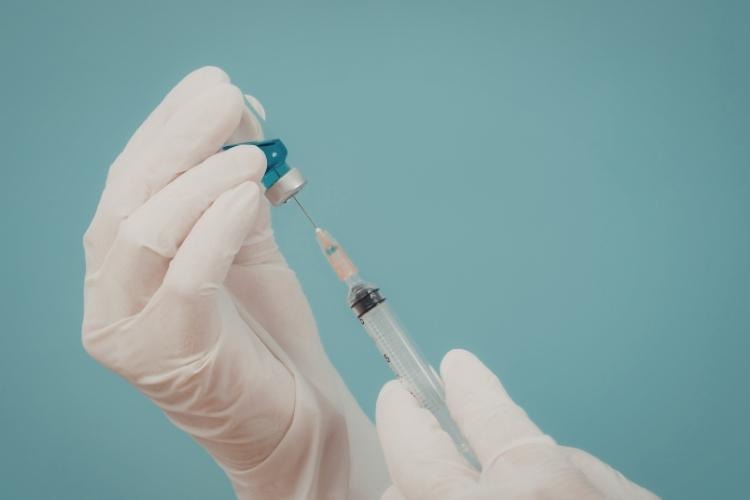
Weight loss injections have quickly moved from niche medical treatments into mainstream discussion. From social media conversations to news headlines, they are often presented as a modern solution for people struggling to lose weight.
While the growing interest is understandable, it also raises an important question: how safe are these treatments in reality?
Understanding the safety of weight loss injections requires more than a surface-level look. It involves examining how they work, who they are intended for, and what risks or side effects may be involved.
This article breaks down the essentials, helping readers approach the topic with clarity and informed judgment.
What Are Weight Loss Injections and How Do They Work?
Weight loss injections are prescription medications designed to assist with weight management by influencing the body’s natural systems.
Many of these treatments work by mimicking hormones that regulate appetite and blood sugar levels. As a result, users may feel fuller for longer, experience reduced cravings, and develop more consistent eating patterns.
These injections are not designed to replace healthy habits. Instead, they are typically used alongside changes in diet and physical activity. The aim is to support individuals who have found it difficult to achieve results through lifestyle changes alone.
For example, someone who struggles with constant hunger or fluctuating energy levels may benefit from the stabilizing effects of these medications. However, success depends on consistency, medical supervision, and a willingness to adopt sustainable habits.
Who Are These Treatments Suitable For?
Weight loss injections are not intended for casual or short-term use. They are usually recommended for individuals who meet specific medical criteria and require additional support beyond traditional approaches.
Common scenarios where they may be considered include:
- Individuals who have not seen results from diet and exercise alone
- People managing weight-related health concerns
- Those who need help regulating appetite or portion control
It is important to recognize that these treatments are part of a structured medical plan. They are not a quick fix or a substitute for healthy living. A healthcare provider will typically assess factors such as medical history, current health status, and lifestyle before recommending this option.
This careful evaluation process helps ensure that the treatment is appropriate and reduces the likelihood of unnecessary risks.
Understanding the Safety Profile
When discussing weight loss injections, safety is often the primary concern. These medications are regulated and prescribed under medical guidelines, but like any treatment, they come with potential side effects.
Common Side Effects
Some individuals may experience mild and temporary reactions, especially during the early stages of treatment. These can include:
- Nausea or stomach discomfort
- Changes in appetite
- Fatigue or low energy levels
In many cases, these symptoms lessen as the body adjusts. However, they should not be ignored, and any persistent issues should be discussed with a healthcare provider.
The Importance of Monitoring
One of the key factors that influences safety is ongoing medical supervision. Regular check-ins allow providers to track progress, adjust dosages if necessary, and identify any concerns early on.
Without this level of oversight, the risk of complications may increase. This is why obtaining these treatments through regulated channels is essential. Self-medicating or sourcing injections without proper guidance can lead to avoidable health risks.
Why Medical Guidance Is Essential
The role of a qualified provider goes beyond simply prescribing medication. It involves creating a structured plan that supports both safety and effectiveness over time.
Providers like Curely offer a more guided approach to weight management, helping patients navigate their options with professional input. This includes evaluating whether a treatment is appropriate and ensuring that it is used correctly.
When exploring providers such as Curely, it becomes clear that access to proper medical oversight is a major factor in safe use. Patients are not left to manage the process alone but are supported with ongoing care and adjustments when needed.
Benefits and Limitations of Weight Loss Injections
While safety is crucial, it is equally important to understand what these treatments can and cannot do. Weight loss injections offer certain advantages, but they also have limitations that should be considered.
Potential Benefits
- Improved appetite control, making it easier to stick to a balanced diet
- Gradual and consistent weight loss over time
- Support for individuals who have struggled with traditional methods
Important Limitations
- Results are not guaranteed and vary between individuals
- Long-term commitment may be required to maintain outcomes
- Lifestyle changes remain essential for success
It is important to approach these treatments with realistic expectations. They are not a standalone solution but part of a broader strategy that includes nutrition, movement, and behavioral changes.
Questions to Ask Before Starting Treatment
Before beginning any medical weight loss plan, asking the right questions can make a significant difference. Being informed helps individuals feel more confident and prepared for the process.
Key Considerations
- Is this treatment suitable for my specific health needs?
- What side effects should I expect, and how can they be managed?
- How often will I need to check in with a healthcare provider?
- What lifestyle adjustments will support the treatment?
Taking the time to explore these questions ensures that the decision is based on understanding rather than impulse.
Working with a provider such as Curely can help address these concerns in a structured and personalized way.
How to Approach Weight Loss Safely
For anyone considering weight loss injections, a thoughtful and measured approach is essential. Safety does not come from the treatment alone, but from how it is integrated into a wider health plan.
A few practical steps include:
- Seeking advice from a qualified healthcare professional
- Setting realistic, long-term goals rather than focusing on rapid results
- Monitoring how the body responds to treatment over time
- Maintaining healthy habits alongside any medical support
Final Thoughts
Weight loss injections can be a safe and effective option when used under the right conditions. They are designed to support individuals who need additional help managing their weight, not to replace healthy habits or provide instant results.
The key to safety lies in proper medical guidance, realistic expectations, and a commitment to long-term wellbeing. For those willing to take a balanced approach, these treatments can form part of a broader strategy that prioritizes both health and sustainability.
Ultimately, informed decisions lead to better outcomes. By understanding how weight loss injections work and what they involve, readers can approach this option with confidence and clarity.