
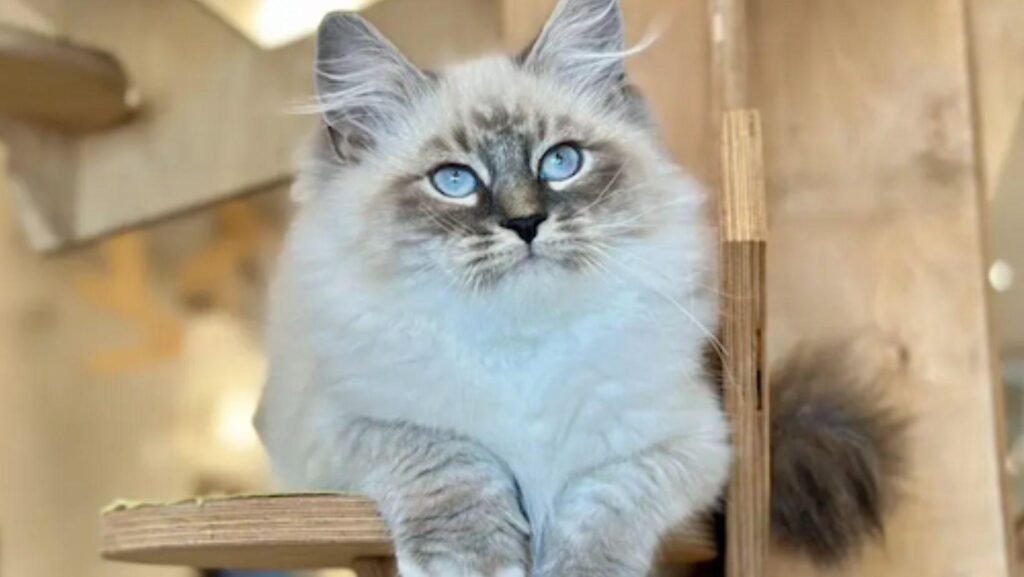
Bringing home a baby kitten is one of life’s small joys, but the decision deserves more care than an impulse click. A kitten you choose today may share your home for fifteen years or more, so it pays to know what a healthy kitten looks like, which breed suits your lifestyle, and how to recognize a responsible seller. When you start browsing baby kittens for sale, this guide will help you make a confident, well-informed choice from the very first click.
“A kitten’s first weeks shape its health and temperament for life. Choosing well at the start is the single best investment you can make in a lifelong companion.”
— Common wisdom among experienced cat breeders
What to Look for in a Healthy Kitten
A healthy baby kitten is bright, alert, and curious. Before you commit, take a close look at each of the following:
- Eyes — clear and bright, with no discharge or cloudiness.
- Ears — clean and pale pink inside, without dark debris or odor.
- Coat — soft and full, free of bald patches or the tell-tale specks of fleas.
- Belly — rounded but not hard or swollen, which can point to worms.
- Energy — playful and willing to approach you, rather than lethargic or fearful.
Use this quick checklist when you meet a kitten in person or over video:
|
What to Check |
Healthy Sign |
Warning Sign |
|
Eyes |
Bright and clear |
Discharge or cloudiness |
|
Ears |
Clean, pale pink |
Dark debris or odor |
|
Coat |
Full and soft |
Bald patches, fleas |
|
Belly |
Rounded, soft |
Swollen or distended |
|
Behavior |
Curious, playful |
Lethargic, hiding |
Choosing the Right Breed
Different breeds bring different personalities, grooming needs, and energy levels. There is no single “best” kitten — only the one that fits your household. The table below compares four of the most popular choices:
|
Breed |
Temperament |
Coat & Grooming |
Best Suited To |
|
Maine Coon |
Gentle, loyal, dog-like |
Long coat; regular brushing |
Families, first-time owners |
|
Sphynx |
Affectionate, social |
Hairless; needs skin care |
Attentive indoor homes |
|
Siberian |
Calm, robust |
Thick coat; lower allergen |
Allergy-sensitive homes |
|
Devon Rex |
Playful, mischievous |
Wavy, low-shedding coat |
Active households |
“The best match isn’t the prettiest kitten — it’s the one whose temperament fits the rhythm of your home.”
— A veterinarian’s rule of thumb
If you work long hours, a calm, independent breed will settle more happily than a demanding, highly social one. If you have young children or other pets, look for a kitten with a relaxed, sociable nature and a history of gentle handling. Matching temperament to your daily routine matters far more than color or markings, and it is the choice you are least likely to regret.
How to Choose a Kitten Safely
A little diligence protects both your investment and the animal’s welfare. Follow these steps in order:
- Research breeds and choose one that genuinely fits your lifestyle and space.
- Find a reputable seller and read reviews about kitten health well after pickup, not just at collection.
- Ask for documentation — vaccinations, deworming, a vet exam, and a written health guarantee.
- Meet the kitten in person or over video before you commit to anything.
- Confirm the details of safe delivery or pickup, and keep every record you receive.
- Prepare your home fully before the kitten arrives so its first days are calm.
Why a Kitten’s Age Matters
It is tempting to bring home the tiniest kitten you can find, but leaving the mother too early does real harm. Between roughly eight and twelve weeks, kittens learn vital social and behavioral skills from their mother and littermates — how to play gently, use a litter box, and cope with new experiences. Kittens separated before this window are more prone to anxiety, biting, and litter-box problems later. A responsible seller will never rush a kitten away from its mother, and you should be wary of anyone who offers to.
Red Flags to Avoid
Trust your instincts and walk away from any seller who does the following:
- Refuses to share health records or veterinary documentation.
- Offers kittens younger than roughly eight to twelve weeks.
- Uses only generic, stock-style photos instead of real ones.
- Pressures you to decide immediately or pay in unusual ways.
- Quotes prices that seem too good to be true.
Preparing for Your New Kitten
Before your kitten comes home, gather the essentials so nothing is a last-minute scramble:
- A litter box and kitten-safe litter.
- Food and water bowls, plus the food the kitten is already used to.
- A scratching post and a few safe, engaging toys.
- A cozy bed and one quiet room to settle in first.
Kitten-proof your space by securing loose cords, removing toxic houseplants, and closing off any gaps where a curious kitten might wedge itself. A calm, prepared environment helps your new companion relax and bond with you far more quickly.
The First Weeks at Home
Choosing a great kitten is only the beginning — the first weeks at home matter just as much. Keep your kitten’s routine consistent, maintain the diet it is used to at first, and introduce any change gradually to avoid an upset stomach. Book an early veterinary visit to establish a health baseline and set up a vaccination and parasite-prevention schedule. Start your kitten in one quiet room and let it explore the rest of the house at its own pace, and supervise early introductions to children and other pets. Give your kitten time and gentle, predictable attention, and it will reward you with confidence and affection.
Find Your Perfect Kitten at Happy Paws
When choosing where to find a kitten, put health, transparency, and genuine support ahead of convenience alone. Happy Paws brings together a wide selection of health-tested kittens, full documentation, ethical care, and safe nationwide delivery — every one raised responsibly and ready to become a cherished member of your family. Take your time, use the checklists above, and choose a source you can truly trust for years to come.