

Why Habits Determine Long-Term Health
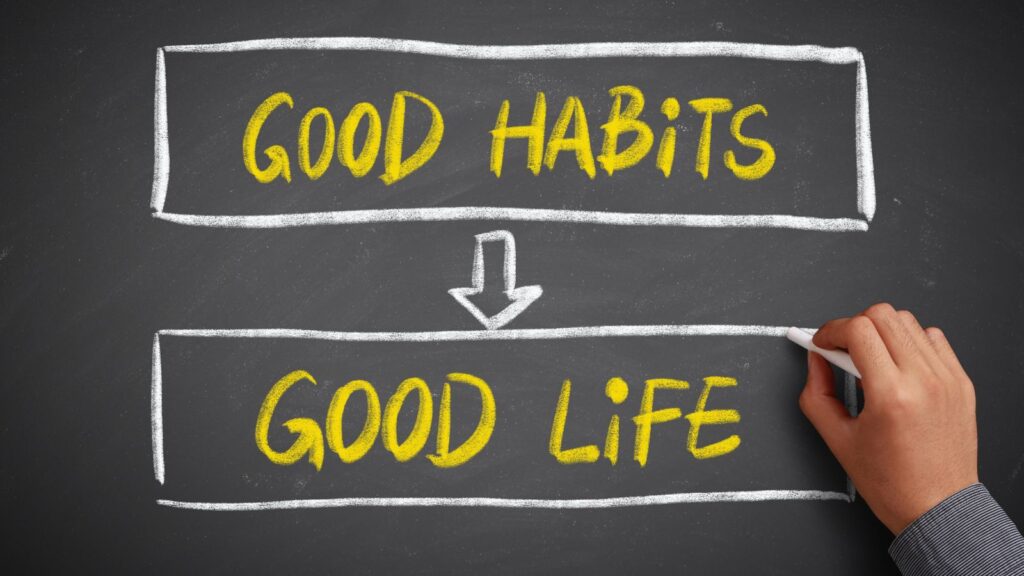
Habits are the framework through which daily life is structured.” Small choices that are made on a daily basis leave a larger impact on health and well-being. Unhealthy eating patterns, irregular sleep patterns, and a sedentary lifestyle lead to a compounded accumulation that affects the body’s energy levels and causes issues related to weight and well-being. On the positive side, good habits lead to a better mood and a strong immune system. Starting the process for positive change begins with an examination of habits.
Engaging in healthy practices sometimes requires awareness and planning. Eating practices relate to weight and energy. Physical exercises ensure cardiovascular and muscular strength and enhance mental strength. Sleep patterns influence hormone and brain functions. When all practices are done with a focus on achieving good health, everything works properly in the body, and a healthy routine is achieved.
Behavioral psychology provides an explanation of why habits are maintained, and why overcoming negative patterns can be a difficult task. This occurs because the brain creates pathways in the brain through these repeated actions, which are often associated with something pleasant or comfortable. Once these patterns and procedures are understood, people can begin to effectively change their patterns to more productive ones.
Nutrition and Lifestyle Changes to Achieve Sustainable Outcomes
Dietary habits affect one’s metabolism and weight maintenance. Eating natural foods rich in fiber, proteins, and healthy fats is an effective way of managing one’s appetite and resisting snack attacks. Processed foods high in sugar and carbohydrates cause one to overeat and also lead to fluctuations in blood sugar levels.
Changes made to one’s diet help the process avoid drastic measures that may be hard to stick by.
Hydration is also very significant for energy homeostasis and control of appetite. Pre-meal hydration may lead to a decrease in calorie consumption as well as easier digestion. Hydration, together with proper nutrition, will also ensure the regulation of metabolism and can protect the skin, joints, and internal body organs. Eating habits, such as eating without distractions, may also help increase satiety and decrease the tendency to overconsume.
Adding exercise to daily activity helps incorporate dietary changes. Exercise increases insulin sensitivity, boosts weight loss, and enhances cardiovascular endurance. Activities like walking, weight training, or organized exercise can be tailored according to personal fitness levels. Getting regular exercise rather than exercising at high intensity will help deliver the best possible results. By following dietary control along with exercise, an individual achieves a platform enabling quantifiable progress.
Medication Can Play an Important Role in a Successful Weight
Unfortunately, some people experience difficulties in regulating their appetite and maintaining a healthy weight through mere lifestyle changes. Medical interventions can help make lifestyle changes easier by overcoming some of the biological hurdles. Wegovy weight management treatment which functions as an appetite regulator to ensure that patients stick to a lower calorie diet. When combined with healthy eating and exercise practices, it can help accelerate the process.
The use of medications needs to be handled carefully by taking guidance from medical professionals. High quality products, proper dosages, tracking, and analysis of the effects will provide effective treatment. People incorporating the use of medications into daily lifestyle practices tend to witness improved levels of motivation and compliance with long-term behavioral change. This is because the addition of medical treatment with good habits will result in greater chances of successful outcomes.
Educational and follow-through resources are essential for realizing full potential. Counseling for meal planning and activity scheduling allows the patient to experience actual results for themselves and makes adjustments easier. The treatment method is a supplement that helps by giving the body a physiologic boost as the body gets into routine.
Constructing Consistency and Accountability
Accountability helps quicken the processes involved in developing and retaining healthy habits. People can then use the advantages that come with goal setting, journaling, and tracking to improve their conditions. Additionally, involving professionals or groups can help with the encouragement that comes with shared goals.
Time management and routine building also encourage regular behavior and performance. It is important to schedule time slots for meals, exercise, and sleeping to ensure all these become habits and are not considered optional activities to perform. In addition, small steps will avoid a burnout situation and provide a proper approach to achieve a desired behavior over time.
Support groups, both physical and web-based options, offer encouragement and support. Friends and family, and/or professional mentors, may offer reminders and celebrate milestones and successes. Programs that incorporate education and tracking and support have a positive impact on the rate of adherence to healthy behaviors. The key to developing habits is consistency and positive behavioral support.
Other psychological strategies, like habit stacking and using environmental cues, can also help to engrain positive habits. Visible areas for exercise equipment and healthy foods prepared in advance can make it easier to keep to a routine. Cutting back on environments that encourage detrimental habits can also help with adherence.
Long Term Perspective on Lifestyle Change
To make a long-term lifestyle modification, an individual has to be persistent. Routines that were difficult at first over time become less so because their paths in the brain are solidified through repetition. For people practicing a regular routine, their energy level, mood, and physical well-being usually improve. Lifestyle adjustments may also impact social or professional engagement. For example, increased energy levels or self-confidence may mean increased productivity or participation in various settings. Health-positive habits correlate with improved decision-making, resilience, or handling levels of stress.
These increments increment towards positive anecdotal improvements within quality-of-life metrics. Periodic evaluation and readjustment of efforts will be required to help maintain the results. Also, personal life experiences, aging, and work habits influence the impact of habits on health. Periodic evaluation of one’s efforts and adjustments in one’s habits will help maintain the effectiveness. Continuous education on nutrition, exercise, and health will help individuals fine-tune their efforts and help make health a way of life.
The uses of medical devices such as appetite management drugs can also be complemented with behavioral techniques. These programs offer assistance with physical challenges and give patients time to develop sustainable behaviors. When medical devices are utilized properly and accompanied by structured behaviors, they might offer a predictable approach to achieving weight and healthcare.