
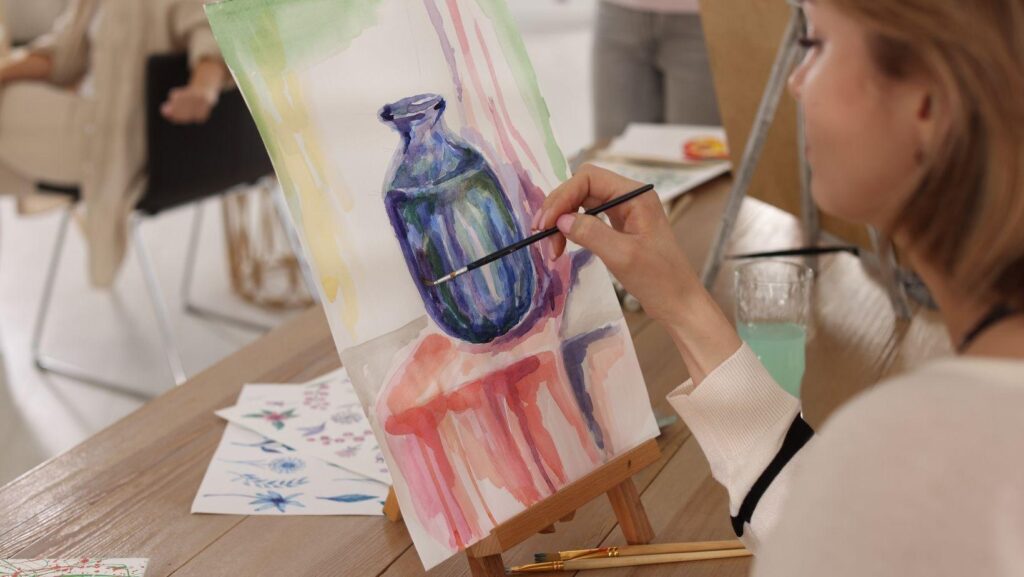
When we think about staying in shape as we get older, physical health is usually the first thing that comes to mind. We picture morning walks, gentle yoga sessions, eating well, and keeping our joints moving. But while physical vitality is huge, there’s another piece of the healthy aging puzzle that deserves just as much of our attention: keeping our minds fit.
Just like our muscles, our brains need regular workouts to stay sharp, quick, and resilient. For a long time, people believed that brain development peaked in our twenties and then slowly, inevitably went downhill. Thankfully, modern neuroscience has completely busted that myth. We now know the human brain has an amazing ability to adapt, grow, and build new connections throughout our entire lives—even well into our senior years.
To kickstart this mental growth, our brains need novelty, fresh challenges, and real engagement. While crosswords and puzzles are great, there is another, much more well-rounded way to keep your mind sharp: creative hobbies. Diving into creative projects does so much more than just pass the time; it’s a full-brain workout that supports mental longevity, boosts your mood, and keeps your hands and coordination nimble.
How Creative Hobbies Actually Protect the Brain
To see why creative hobbies are so powerful, we have to look at what happens inside our heads when we create. Making something new—whether it’s a painting or a poem—is definitely not a passive activity. It’s actually a massive team effort for your brain, requiring focus, memory, motor control, and all your senses to work together at the same time.
Building Your Brain’s “Rainy-Day Fund”
In the science of aging, there is a super important concept called “cognitive reserve.” You can think of this simply as your brain’s rainy-day fund.
Every time you learn a new skill—whether you’re figuring out a chord on the guitar, writing down a story, or mixing paint colors—your brain builds new physical pathways. The more of these pathways you have, the stronger and more resilient your brain becomes. If one path gets a bit rusty or slow due to normal aging, a brain with a healthy “rainy-day fund” can easily reroute the signals through a different path. Creative hobbies are perfect for building this backup system because they are hands-on, multi-step, and force us to actively learn.
Keeping Your Hands and Mind in Sync
Most creative activities are highly tactile—meaning you actually use your hands. Unlike scrolling mindlessly on a phone screen, which takes almost no effort, working with physical materials keeps our fine motor skills sharp.
When you hold a paintbrush, shape clay, or play an instrument, you are practicing hand-eye coordination and spatial awareness. This constant feedback loop between what your eyes see, what your hands do, and what your brain feels stimulates the motor cortex. It essentially keeps the “wires” between your hands and your mind beautifully clear and active.
Lowering Stress and Finding Your Flow
We all know stress is bad for us, but it’s also a quiet enemy of brain health. High levels of cortisol (the stress hormone) can actually harm the hippocampus, which is the exact part of the brain we use for learning and memory.
This is where creative hobbies work like magic. They naturally push us into a state of “flow”—that wonderful feeling where you get so absorbed in what you’re doing that you completely lose track of time. This flow state acts like a form of active meditation. It slows down your heart rate, lowers those stress hormones, and gives your brain a much-needed, peaceful break from daily worries.
Great Creative Hobbies to Try
One of the best things about creativity is that it comes in so many different forms. There is truly something for everyone. Here are three of the most rewarding creative hobbies that are perfect for keeping your mind active, engaged, and sharp.
1. Writing and Storytelling
Writing is basically a gym workout for your brain because it forces you to use your memory, find the right words, and structure your thoughts.
- How it helps the brain: When you write, your brain has to dig through its archives to find vocabulary, build sentences, and connect different ideas into a story. It keeps your mental gears turning.
- How to get started: You don’t need to write a bestselling novel to get the benefits. Keeping a simple daily journal, writing short stories, or putting together a memoir for your grandkids are all perfect. Just remembering past events and putting them into words is an amazing memory workout.
2. Music and Rhythm
Music is one of those rare, magical activities that lights up almost every single part of the brain at the exact same time.
- How it helps the brain: Learning an instrument teaches your brain to spot patterns, read musical notes, and coordinate your hands to a specific beat. It sharpens your hearing and boosts your ability to plan and focus.
- How to get started: It is absolutely never too late to learn. Simple instruments like the ukulele, a lightweight keyboard, or even basic hand drums are cheap, easy to use, and incredibly fun. Even just actively listening to music, singing along, or tapping your feet to the rhythm gives your brain a great boost.
3. Visual Arts and Crafting
Diving into visual arts—like drawing, sculpting, pottery, or painting—combines spatial thinking, color choices, and fine motor skills into one deeply satisfying package.
- How it helps the brain: Making art is all about decision-making. You are constantly deciding where a line should go, how colors work together, and how to bring an idea to life. This continuous decision-making process exercises the prefrontal cortex—the exact part of the brain we use for planning and solving everyday problems.
The Therapeutic Power of Painting with Paint by Numbers
Out of all the different ways to be creative, painting has a really special place in mental well-being. There is something deeply soothing about brushing color onto a canvas—it often helps people express feelings that are hard to put into words. Plus, there is nothing quite like the sense of pride you feel when watching a blank surface slowly turn into a beautiful piece of art.
But for many older adults who want to give it a try, getting started isn’t always easy. Facing a completely blank canvas can feel really intimidating, sometimes leading to creative block or the pressure to make it perfect. On top of that, physical changes like stiff joints, arthritis, or failing eyesight can make holding tiny brushes or focusing on microscopic details feel more like a chore than a relaxing hobby.
That is where structured paint by numbers kits made specifically for seniors come to the rescue. They are a total game-changer because they let you enjoy all the brain-boosting benefits of painting without any of the stressful planning. By choosing kits designed with older adults in mind, like these paint by numbers for seniors, painters get larger, easy-to-see sections and vibrant, pre-mixed paints that make the whole process a breeze.
Since the lines are already drawn and the colors are clearly numbered, there is absolutely no pressure of doing it wrong. Instead, you can just relax and get lost in the soothing, rhythmic motion of the brush. It is a stress-free way to practice coordination, play with colors, and simply enjoy the therapeutic benefits of art.
How to Set Up for Success
If you are looking to introduce a creative hobby to a loved one—or perhaps start one yourself—setting up the right environment can make all the difference.
- Prioritize Good Lighting: As we age, our eyes need more light to distinguish details and colors. Set up the crafting or painting station near a bright window, or invest in a high-quality, adjustable desk lamp.
- Keep It Accessible: Store materials in easy-to-open containers and keep the setup process simple. If a hobby requires an hour of preparation and cleanup, it is much less likely to become a daily habit.
- Let Go of Perfection: The goal of a creative hobby is the process, not the final product. Encourage a mindset of exploration and play. Every brushstroke, written sentence, or musical note is doing its job of keeping the brain active, regardless of how “perfect” the end result is.
- Make It a Social Affair: Creativity is even better when shared. Set up a regular crafting afternoon with family members, invite grandchildren to join in, or participate in a local community art group. The combination of social interaction and creative stimulation is a double win for brain health.
Conclusion
Art, self-expression, and the joy of creating have no expiration date. Our brains are designed to learn, adapt, and marvel at new experiences throughout our entire lives. By embracing creative hobbies like writing, music, or painting, we do much more than simply pass the time—we actively protect our cognitive health, nurture our emotional well-being, and add vibrant color to our daily lives. Pick up a brush or play a note, and let your mind continue to grow sharp.