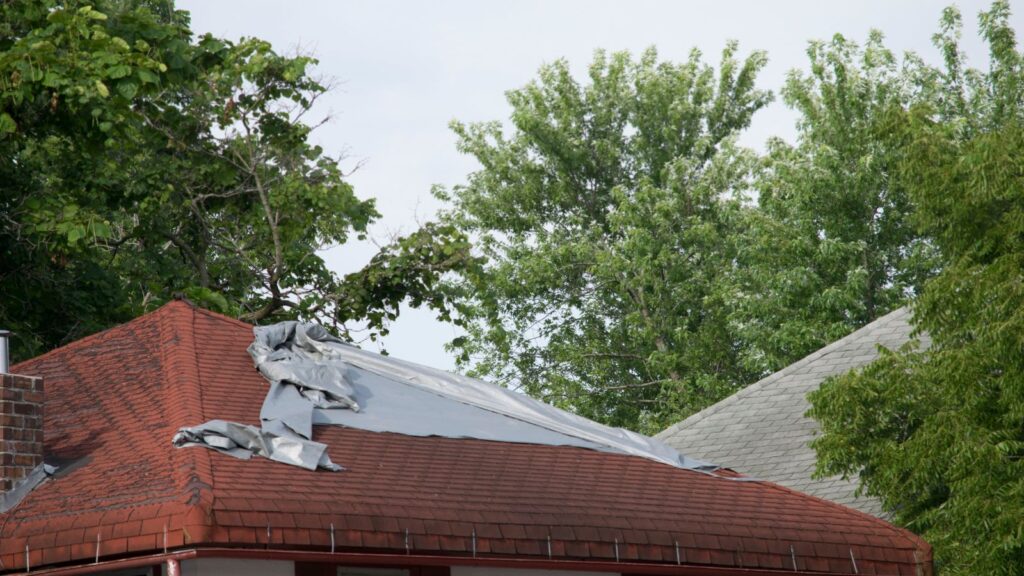
For homeowners, one of the most misunderstood problems is a leak around the chimney. It is easy to assume that water entering near a chimney means the roof itself is failing. In reality, chimney leaks are often caused by flashing issues, not the shingles. That distinction matters because it can mean the difference between a focused repair and an unnecessary full roof replacement.
This article focuses specifically on chimney flashing repair. By understanding how this part of the roof works and how it fails, homeowners can make smarter decisions and avoid paying for work they do not actually need.
Why Chimney Flashing Is a Common Failure Point
A chimney creates a natural break in the roofline. Anytime the roof surface is interrupted, it creates a vulnerable area where water can enter. Flashing is installed to seal that transition. It is typically made of metal and layered in sections to guide water away from the joint where the chimney meets the roof.
Over time, this system can weaken. Metal flashing can corrode or pull away. Sealants can dry out and crack. Improper installation can also leave small gaps that slowly worsen with weather exposure. Unlike widespread shingle wear, flashing problems are often localized. That makes them one of the most common repairable roofing issues.
How to Tell If the Leak Is Actually Flashing Related
Not every leak near a chimney means flashing is the cause, but there are clear signs that point in that direction. Water stains that appear near the chimney inside the attic or along nearby ceilings are a strong indicator. Leaks that show up after heavy rain rather than snow buildup also suggest flashing failure.
From the exterior, you might notice loose metal, visible gaps, or sealant that looks cracked or worn. In some cases, the shingles around the chimney still appear in good condition, which further supports the idea that the issue is isolated. A professional inspection should confirm whether the surrounding roofing materials are still intact. If they are, the repair can usually focus on the flashing itself.
What Proper Chimney Flashing Repair Involves
A quality flashing repair is more than just adding caulk or patching over the problem. Temporary fixes often fail because they do not address the root issue. The correct process typically involves removing shingles around the chimney, inspecting the underlying structure, and installing new step flashing and counter flashing. Each layer must be properly integrated with the roofing materials so water flows naturally away from the joint.
In some cases, minor masonry repairs may also be needed if the chimney surface itself has deteriorated. The goal is to create a complete seal that works with the roof system rather than against it.
When a Flashing Repair Is Enough
If the shingles surrounding the chimney are still flexible, properly sealed, and not showing signs of widespread wear, a flashing repair is often the right solution. This is especially true for roofs that are mid-life and otherwise in good condition.
A targeted repair can extend the life of the roof by several years without the cost of full replacement. It also prevents water from continuing to damage the underlying structure, which is where repair costs can quickly increase.
When the Problem Points to a Larger Issue
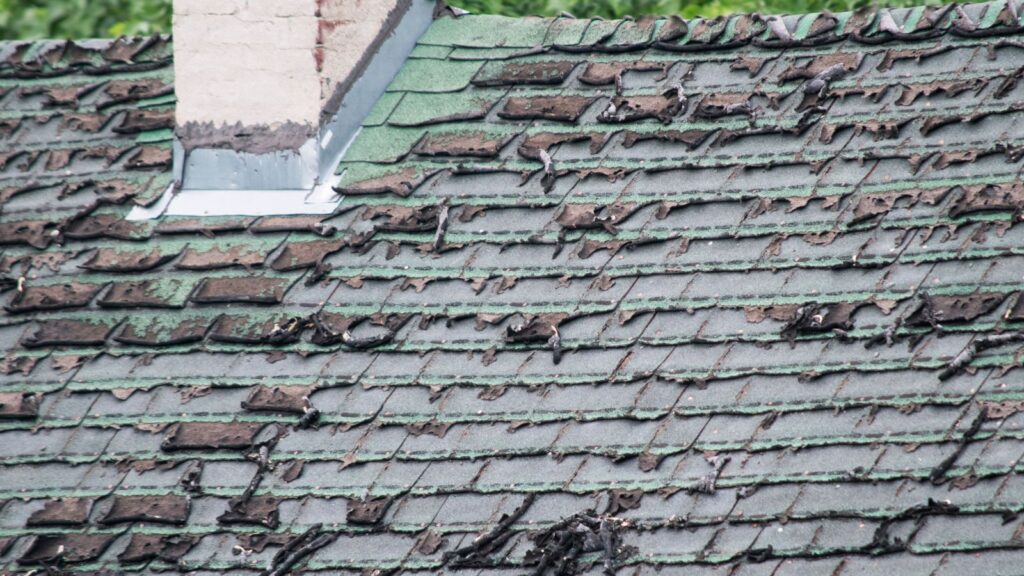
There are situations where a chimney leak is not just about flashing. If the shingles around the chimney are brittle, curling, or missing granules, it may indicate that the entire roof is aging out.
Multiple leak points across the roof are another warning sign. If water is entering more than one area, focusing only on the chimney will not solve the bigger problem.
Additionally, if the decking beneath the chimney is soft or compromised, it may require more extensive work. In these cases, a contractor may recommend partial or full replacement depending on the extent of the damage.
Why Quick Fixes Often Make Things Worse
One of the most common mistakes homeowners make is relying on temporary solutions like sealant or roof cement. While these products can stop water briefly, they tend to break down quickly under sun exposure and temperature changes.
Worse, they can trap moisture or hide underlying issues, making future repairs more complicated. A proper flashing repair may cost more upfront, but it provides a long-lasting solution that protects the entire roofing system.
Choosing the Right Contractor for Flashing Work
Not every roofing contractor approaches flashing repairs with the same level of detail. Because this type of work requires precision, it is important to choose someone who understands how different components of the roof interact.
A good contractor will explain exactly what is being replaced, how the new flashing will be integrated, and why the repair will hold over time. They should also be able to show evidence of the problem rather than relying on vague descriptions.
Homeowners looking for roofing services brigham city should prioritize contractors who focus on diagnosis, not just selling larger projects. The ability to identify and fix a specific issue is often a sign of true expertise.
Final Thoughts
Chimney leaks are one of the clearest examples of how a roofing problem can appear larger than it really is. By focusing on the role of flashing and understanding how it fails, homeowners can avoid unnecessary replacements and make more informed decisions.
A well-executed flashing repair restores the integrity of the roof without disturbing areas that are still performing well. That kind of targeted approach not only saves money but also extends the life of the entire system. When in doubt, the goal should always be clarity. Knowing exactly what is causing the leak and how it can be fixed is the key to protecting both the roof and the home beneath it.