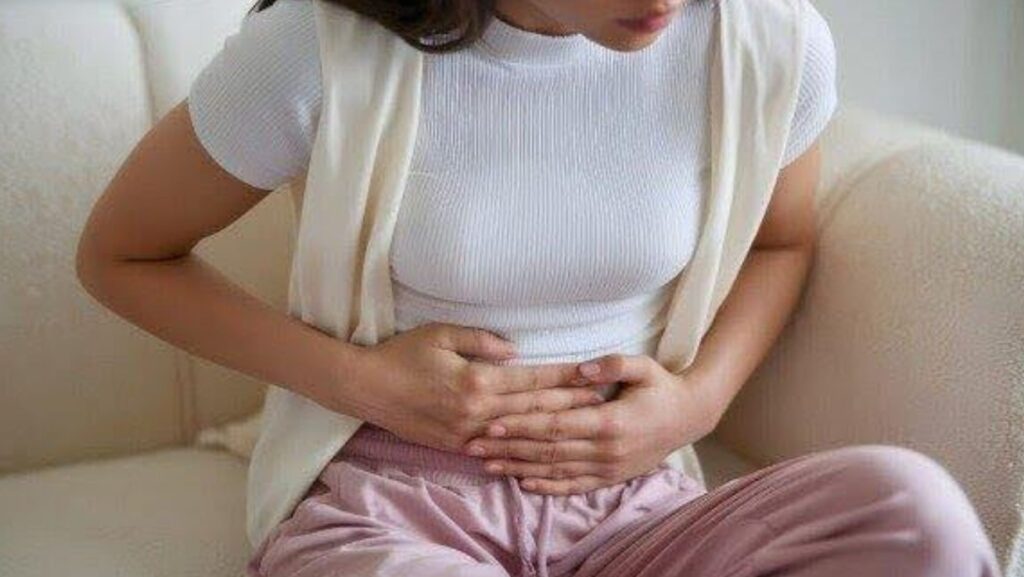
Postpartum belly pain is a very common occurrence among new mothers, however, it can be quite confusing when one is not certain of what is considered normal. Healing continues in your body, your uterus is going back to its normal size, and your muscles are getting used to the new situation, but still, how can you tell that the pain you have is just a normal one?
This article explains the sensations of a regular postpartum belly pain and the signs that indicate the necessity of medical aid. It gives information on the symptoms that require intervention and the ways of keeping in touch with your body’s signals. Knowing these symptoms will empower you and ensure your safety during the recovery period.
Causes of Postpartum Belly Pain
Postpartum belly pain may be caused by the normal bodily changes that you go through after giving birth. Your uterus shrinking and your muscles healing are just a few of the many reasons for the pain. Some mothers may also use a postpartum belly wrap to give themselves some extra support while they are recovering.
wrap
Postpartum belly pains which have mostly been caused by the typical situations:
- Uterus shrinking: Pain that is brought about by the uterus going back to its normal size.
- Muscle healing: The abdominal muscles that were stretched are extremely painful.
- C-section recovery: A pain or simply a feeling of tightness in the area around the incision.
- Gas and bloating: Changes in hormones and slow digestion.
- Constipation: Most times caused by iron or pain medications.
- Post-delivery bleeding: Bleeding with small clots or heavier bleeding at the start that is accompanied by cramps.
- Infections: Pain caused by infections of the uterus, the incision, or the urinary tract.
Types of Pain After Birth
Belly postpartum pain is definitely part of the process. The pain may just be different depending on what kind of delivery you had, your recovery, and the changes in your body. Types of pain will help you figure out which ones are normal and where to get help if it’s the other way.
The major types of pain after birth are:
- Afterpains: Intense cramps occurring as the uterus is shrinking after giving birth.
- Incision pain: The sensation of pain, tightening, or discomfort in an area of the C-section incision.
- Muscle aches: Pain or discomfort due to the stretching of the abdominal and core muscles.
- With bleeding cramping: Slight cramps that result from post-delivery bleeding.
- Pelvic pain: The feeling of pressure or pain in the pelvic area caused by childbirth.
- Breastfeeding-related pain: Pain resulting from the breast being overly full or engorgement or the letdown reflex.
When Postpartum Belly Pain Is Normal
Some belly pain after childbirth is part the body healing and this is quite normal. The pain usually gets better with time and is your body’s way of recovery. These are a few instances of postpartum belly pain that should be considered as normal:
- When the uterus is shrinking back to its pre-pregnancy size, it feels like a very light cramping.
- The area around a C-section incision could be sore as the incising is healing.
- Belly muscles can be overly tight or even slightly sore as they are being restored to their usual condition.
- The pain is slight and can be caused by gas or bloating.
- Cramping may be accompanied by some bleeding that is light and has small clots.
- Soreness in the pelvic area or feeling of pressure as muscles and ligaments are getting used to the changes.
When Belly Pain Needs Medical Attention
After giving a birth, some postpartum belly pain is expected, but there could be a situation when the pain indicates a problem. Here’s when belly pain needs medical attention to keep you safe during recovery:
- Intense or deteriorating pain that does not just get better with rest or taking medicine
- Bleeding heavily or releasing large clots
- Fever, chills, and symptoms of infection
- Hard or continuous pain around a surgical cut from a C-section
- Discomfort when urinating, passing stools and also if there is an unusual discharge
- Swelling, warmth and redness of the abdominal area
- Besides this, the pain along with dizziness, losing consciousness or very fast heartbeat
How to Ease Postpartum Belly Pain at Home
Mostly, postpartum belly pain goes away if it is treated at home with some safety measures. The following measures will help keep the pain away and promote the recovery process:

- The body healing process requires rest and short breaks from the activity.
- A postpartum belly wrap is able to offer a small, mild and cozy kind of help.
- Put on a warm compress or use a heating pad to relax your muscles and get rid of cramps.
- Make sure you drink a lot of water and eat foods that are rich in fiber in order to get rid of your belly queasiness.
- If your doctor gives you permission, you can take some pain relievers that are sold without a prescription.
- Help your muscles recover from the birth by doing some very gentle stretching or taking a short walk.
- Put on nice clothes that will not make your belly area tight.
Tips to Support Healing After Delivery
A long time it may be before the body is fully recovered after giving birth and in that time one of the most important tasks for her is to manage adequately the postpartum belly pain. When one’s body is supported properly, the pain is mild and the risk of complications is low, and, eventually, healing is fast. While your body is in the process of healing and you want to be comfortable, here are some tips for you to know:
- It is very important to make sure that you get enough sleep and rest. The body requires it to repair itself.
- A postpartum belly band will help you keep your stomach area comfortable and safe.
- Consume good meals that provide all the necessary nutrients and drink enough fluids to promote recovery.
- Take care of the doctor’s instructions for the care of your incision or the area where you have been stitched.
- Practice mild exercises that will gradually regaining abdominal and pelvic muscles strength.
- Next, refrain from heavy lifting and cutting back on your strenuous activities for a while.
- Lastly, if there is any unusual pain or symptoms, and you are unsure, then get medical assistance without delay. ye on your body, especially for extreme pain or other symptoms, and do not hesitate to get help if you need it.
Conclusion
After birth, it is typical to have a bit of postpartum belly pain during your recovery period. The discomfort will fade away slowly if you choose to rest, do gentle movements, and take care of yourself in the right way.
A postpartum belly wrap will give your stomach area extra support, which is the reason why the pain will be less and you will be encouraged to have a better posture. If you take this along with easy recovery recommendations and good habits, you will be able to experience a less difficult and more pleasant postpartum healing process.