
Severe storms can cause hidden damage to your home, especially your roof. While some issues are obvious, others may not reveal themselves until weeks or months later. Knowing when to call a professional roofer for an inspection can save you from costly repairs and protect your home from further damage. Here are the key signs that indicate you need a roofer to check your home after a storm.
1. Missing or Damaged Shingles
One of the most common indicators of storm damage is missing or damaged shingles. High winds, hail, or flying debris can strip shingles from your roof or cause them to crack, curl, or break. Even small shingle damage can allow water to seep underneath, leading to leaks and potential structural damage. If you notice shingles in your yard or visible damage on your roof, it’s time to call a roofer for a thorough inspection.
2. Leaks and Water Stains Inside Your Home
Water stains on ceilings or walls are a clear warning sign that your roof may have been compromised. Storms can create small leaks that are not immediately visible from the outside. Over time, these leaks can cause mold growth, weaken the ceiling structure, and damage your home’s interior. A professional roofer can identify the source of the leak and recommend the best repair options before the problem worsens.
3. Granules in Your Gutters
Roof shingles are coated with protective granules that shield them from the elements. After a storm, you may notice a large number of these granules in your gutters or around your property. Excessive granule loss can indicate that your shingles are deteriorating, leaving your roof vulnerable to leaks. A roofer can assess the extent of the damage and determine if shingle replacement or repair is necessary.
4. Sagging Roof or Structural Damage
Storms can weaken the underlying structure of your roof, causing it to sag or shift. Even minor sagging is a serious concern, as it can indicate water damage or compromised support beams. If you notice any unevenness or unusual dips in your roofline, contact a roofer immediately. Structural damage can worsen quickly and may pose a safety risk to your family.
5. Damaged Flashing or Roof Vents
Flashing and vents are critical for preventing water from entering your home. Storms can bend, crack, or dislodge flashing around chimneys, skylights, or roof vents, creating pathways for water infiltration.
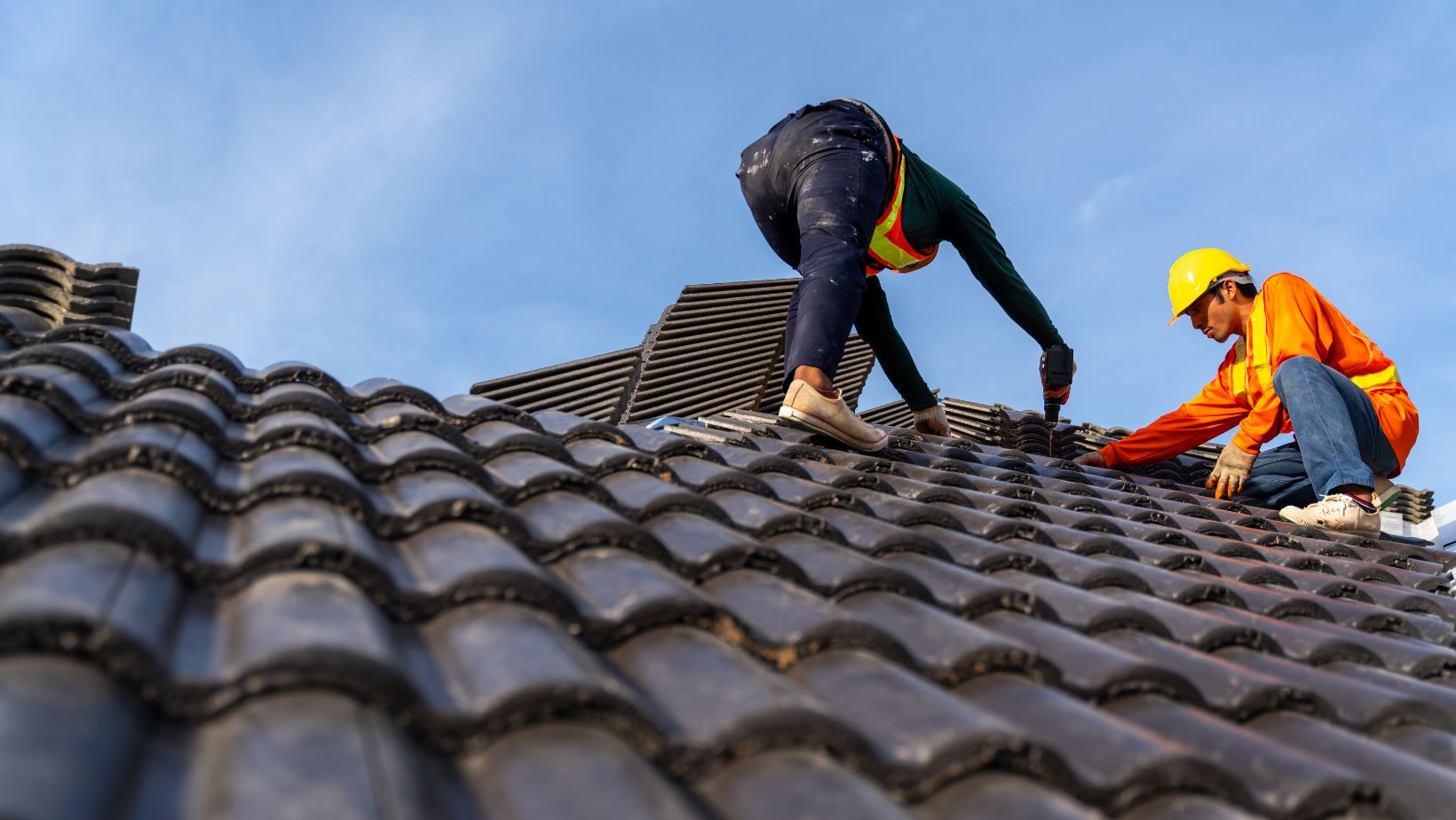
A roofer can inspect these areas to ensure they are properly sealed and functioning, preventing potential leaks and costly repairs.
6. Excessive Debris on the Roof
After a storm, it’s common to find branches, leaves, or other debris on your roof. While some debris is harmless, larger pieces or repeated accumulation can damage shingles and gutters over time. A roofer can safely remove debris, inspect your roof for hidden damage, and advise on preventive measures to protect your home during future storms.
7. Insurance Claims or Age Considerations
If your roof is older or nearing the end of its expected lifespan, even minor storm damage can justify a professional inspection. Many insurance companies require documentation from a roofer to process claims related to storm damage. Having a roofer inspect your roof after a storm can help ensure that all damages are properly documented for insurance purposes.
Conclusion
Storms can leave behind both obvious and hidden roof damage. Missing shingles, leaks, granules in gutters, sagging, damaged flashing, and debris are all signs that you should call a roofer to inspect your home. A professional inspection not only identifies current damage but also prevents more serious issues from developing, saving you time, money, and stress in the long run. Protect your investment and your family’s safety by scheduling a roofer to check your roof after every significant storm.