

Life at home is beautiful. It’s also loud. Kids chase each other through the hallway while cartoons blast from the living room TV. The dog barks at every delivery truck. Someone’s always on a video call. And somehow, all of this happens at the exact moment you’re trying to enjoy your morning coffee in peace. Sound familiar? This constant background chaos wears on everyone. It makes relaxation feel impossible and turns small annoyances into big frustrations.
Here’s the good news. You don’t need expensive renovations or professional soundproofing to make your home quieter. Simple, affordable fixes can make a real difference starting today. For example, something as simple as under door seals can block noise traveling between rooms and create quieter spaces for sleep or work. These small changes add up quickly when you know where to focus your energy.
This article shares practical ways to reduce noise throughout your home without breaking the bank. We’ll cover everything from sealing gaps to rearranging furniture. Each tip is something you can do this weekend. No contractors required.
Why a Quieter Home Matters for Your Family
Noise does more than annoy us. It affects our health, our relationships, and our ability to function well.
Sleep suffers first. Even moderate background noise disrupts sleep cycles and prevents deep rest. Your kids might fall asleep with noise around them, but they’re not getting quality sleep. Neither are you. Poor sleep leads to cranky mornings, difficulty focusing at school, and shorter tempers all around.
Concentration takes a hit. Working from home becomes nearly impossible when every conversation and footstep echoes through the house. Children struggle to do homework when distractions surround them. This frustration builds over time and creates tension between family members.
Speaking of tension. Constant noise puts everyone on edge. Parents snap at kids more easily. Couples argue over nothing. The stress of never having true quiet moments compounds daily until your home feels less like a sanctuary and more like a source of exhaustion. Creating pockets of calm isn’t a luxury. It’s essential for family wellbeing.
Seal the Gaps on the Doors, Windows, and Floors
Sound travels through openings you might not even notice. That gap under your bedroom door? It’s basically a highway for noise. The tiny cracks around old windows let in street sounds along with drafts. Even gaps where flooring meets walls can transmit vibrations from room to room.
Start with your doors. Interior doors often have significant gaps at the bottom. Weatherstripping and door sweeps are inexpensive and easy to install yourself. Focus first on bedrooms and home offices where quiet matters most.
Windows deserve attention next. Older windows with worn seals let in surprising amounts of outside noise. Acoustic caulk can fill small gaps around frames. For bigger improvements, consider adding heavy curtains or window inserts designed to block sound.
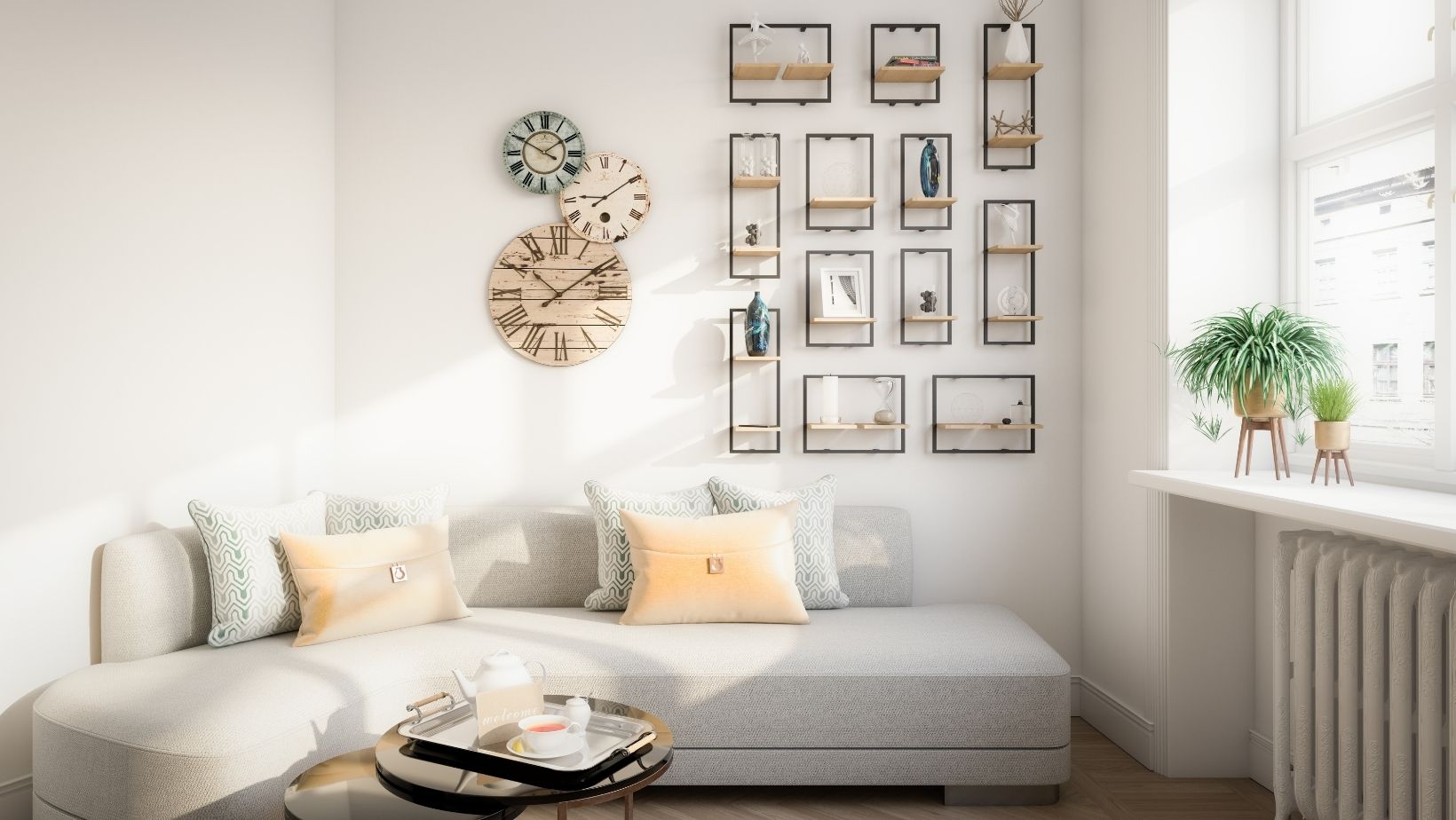
Don’t forget about floors. Hard surfaces reflect sound waves and make everything louder. Area rugs absorb noise and reduce the echo effect. They also dampen footstep sounds that travel between floors in multi-story homes.
Use Soft Furnishings to Absorb Sound
Hard surfaces are the enemy of peace. Sound bounces off bare walls, hardwood floors, and glass windows. It echoes and amplifies until a single conversation fills the entire room. Soft furnishings change everything.
Thick curtains do double duty. They block light for better sleep and absorb sound waves that would otherwise bounce around. Choose heavy fabrics like velvet or layered materials. Floor-length curtains work best because they cover more surface area.
Rugs transform noisy rooms instantly. A large area rug in your living room can cut down on the echo dramatically. Layer smaller rugs in hallways and bedrooms for even more impact. Bonus: your feet stay warmer in winter.
Upholstered furniture absorbs sound better than leather or wood. If you’re shopping for a new couch anyway, consider fabric options. Throw pillows and blankets scattered around the room aren’t just cozy. They’re functional sound absorbers.
Wall hangings help. Tapestries, quilts, and textile art soften hard wall surfaces. You don’t need to cover every inch. Strategic placement on the wall facing your main seating area makes the biggest difference. Some families hang decorative acoustic panels that look like art but are specifically designed to dampen sound. They come in countless colors and patterns now.
Rearrange Furniture for Better Acoustics
Sometimes the solution costs nothing at all. Moving furniture around can significantly change how sound travels through a room.
Bookshelves are secret weapons. A full bookshelf against a shared wall acts as a sound barrier between rooms. Books are dense and irregular, which breaks up sound waves effectively. Place your largest bookcase against the wall that borders a noisy space like the kids’ playroom or a busy hallway.
Position your couch and chairs away from noise sources. If street noise comes through your front window, arrange seating so it faces away from that direction. Create conversation areas in the quietest corners of each room.
Think about traffic flow. If people constantly walk past your work area, you’ll never find focus. Move your desk to a spot that’s out of the main pathway. The same goes for reading nooks and meditation spaces. Corners work wonderfully for this purpose.
Large furniture pieces near doorways can partially block sound transmission. A tall dresser or armoire positioned near a bedroom door creates a buffer zone. It won’t eliminate noise completely, but every bit helps.
Create Designated Quiet Zones
Not every room needs to be silent. Kids should have space to play loudly and freely. But everyone deserves access to quiet when they need it.
Pick one room as your family’s official quiet zone. This might be the master bedroom, a spare room, or even a converted closet. Establish clear rules. No screens with sound. Voices stay low. This becomes the retreat space when someone feels overwhelmed.
Create mini quiet zones throughout the house. A reading corner with a comfortable chair and good lighting. A meditation cushion by a window. A cozy spot under the stairs with pillows. Children especially benefit from having their own calm-down space available.
Timing matters as much as location. Some families establish quiet hours after dinner or before bedtime. Everyone knows that during these windows, the whole house operates at a lower volume. It takes practice, but it eventually becomes a habit. Your family will thank you for it.