
Children thrive on movement, and while outdoor play remains essential, it isn’t always within reach. Extreme weather, packed schedules, limited neighborhood space, and the ever-present pull of screens can all chip away at kids’ opportunities to run, climb, and explore. That’s where indoor active play steps in as a valuable complement to time spent outside. This article offers research-informed, balanced guidance on why indoor active play matters, how to choose safe environments, and practical ways caregivers can support healthy development throughout the year.
Why Indoor Active Play Is Important for Growing Children
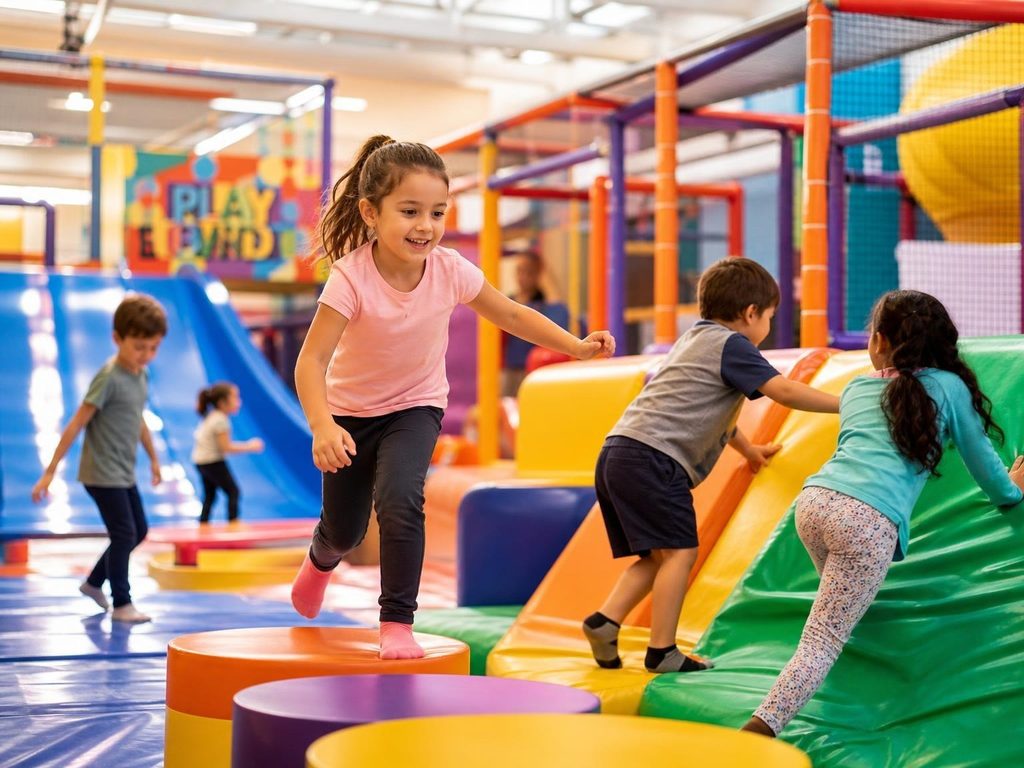
Families in many cities have discovered that a visit to an indoor playground san antonio offers children a climate-controlled space to climb, slide, and socialize when outdoor conditions just aren’t cooperating.
Active play supports physical development by strengthening gross motor skills, balance, and coordination through running, climbing, and jumping. It also nurtures cognitive growth—children navigate structures, learn cause and effect, and practice weighing manageable risks in safe settings. Socially and emotionally, active play teaches turn-taking, sharing, and conflict resolution, all while building the kind of self-confidence that comes from mastering new physical challenges.
Picture a caregiver watching a child grow steadily more confident on a play structure over several visits—hesitant at first, then eager, then downright proud. That gradual mastery reflects both physical and emotional growth unfolding side by side. Pediatric research consistently links regular physical activity to healthier weight, better sleep, and improved mood, though it’s worth keeping such claims grounded in evidence rather than overstating them.
- Physical: motor skills, strength, coordination
- Cognitive: problem-solving, spatial awareness
- Social/emotional: cooperation, resilience, confidence
Balancing Indoor Play, Outdoor Time, and Screens
Modern families juggle real constraints—limited green space, unpredictable weather, and creeping screen time among them. Indoor play spaces can help meet daily movement needs when outdoor options are off the table, but they work best as one piece of a broader routine that also includes home spaces, community centers, and school gyms.
Key Takeaway: Indoor play should complement outdoor time, not replace it. A family might head to nearby parks on mild days and rely on indoor spaces during extreme heat or cold, all while keeping screen time within reasonable limits.
Different Indoor Play Environments and Their Benefits
Home-Based Indoor Play includes pillow forts and simple obstacle courses—flexible, low-cost ways to encourage daily movement, especially when caregivers jump in and join the fun.
Community and School Facilities such as gyms and recreation centers often support group activities and inclusive play across ages and abilities.
Dedicated Indoor Playgrounds and Play Centers typically feature climbing structures, slides, and soft obstacle courses designed for motor skill development and sensory-rich exploration. Not all facilities are created equal, so it’s worth observing how a particular space suits your child’s age and temperament before settling in.
Keeping Children Safe During Indoor Play
Active supervision is essential—simply being in the building isn’t the same as watching your child closely. Guide children toward age-appropriate zones, check that flooring is properly padded, and skip loose clothing or jewelry that could snag on equipment.
Helpful habits include:
- Stay within sight of younger children
- Encourage one child at a time on slides
- Discourage pushing or jumping from heights
- Take hydration breaks
- Follow posted facility rules
How Parents and Caregivers Can Maximize Indoor Play Benefits
Preparing children beforehand—talking through rules and expectations—helps play go more smoothly once you’re there. During play, encourage guided play through gentle prompts, like asking how else they might climb a structure. Afterward, reflecting together on what felt challenging reinforces resilience and a sense of competence.
Supporting Lifelong Healthy Habits Through Indoor Play
Indoor active play, used thoughtfully alongside outdoor time, supports physical, cognitive, and emotional growth all at once. The goal isn’t perfection but consistent, safe, and joyful active play woven into everyday routines. Watching a child grow steadier and more confident over repeated play sessions is a quiet but meaningful reminder of how movement shapes development—and when questions arise, qualified health or child development professionals remain the best resource to turn to.