
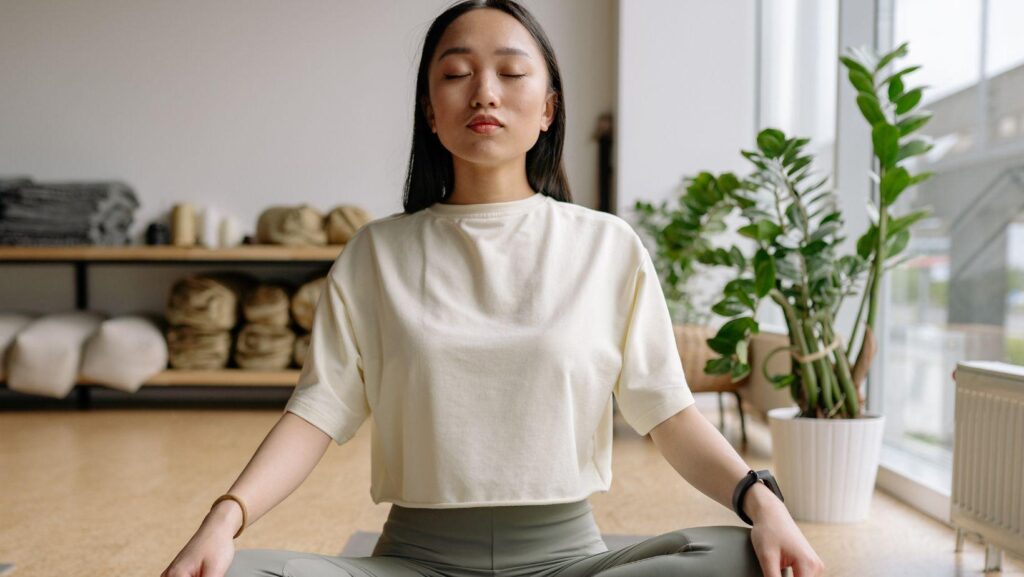
In today’s world people often think that being healthy is about our bodies. We focus on exercise, what we eat, and how much. Things we take to make our bodies stronger.. There is something else that is just as important: being aware of what is going on inside us.
The connection between our minds and bodies is real -not a vague wellness trend or an abstract philosophy. Our thinking, how we feel and to what things we pay attention to can affect how our bodies work. All these things affect how our muscles work, and how strong we are or even the pain we feel. If we become more aware of what’s going internally, we can get better at things that just exercising cannot do.
Understanding The Mind-Body Link
Our bodies do not work on their own. Everything we do -move, react, etc.- is filtered by the brain. When we are stressed, our bodies get tense and our hearts beat faster. We even breathe differently. If we are calmer we can breathe better, our movements are more efficient and our muscles work better.
We can see this when athletes compete. They train their minds as much as their bodies. Visualization techniques, breathing exercises, and focused attention are key. This helps them react faster, have more energy and move better.
This is not just for athletes. We can also benefit from understanding how our thoughts and awareness affect our strength.
Awareness Improves Movement Quality
It’s very common that we go through their days without paying real attention to what we’re doing. They sit, walk and exercise without paying attention to alignment or muscle engagement. Over time this can cause problems -We can get uncomfortable, weak or hurt.
Being aware of what we are doing can change this. When we pay attention to how our body is functioning (for example how we are standing or breathing, or how we even lift things from the floor) we start to notice things that we do that could be bad for us. We might realize that we are clenching our jaws without noticing it, sitting in a bad posture, tightening our shoulders when we are working on the computer… If we can fix these problems, we can move more efficiently and feel less tired over the day.
There are some exercises that can help us with this, like yoga, pilates and special stretching -they work mostly with posture and muscles strength. Practicing any of them can help us to control our bodies and being more conscious on how we’re moving, so we can start being more aware of what muscles we are using -Identify them to work on them is really important: For instance, many people seeking better core stability also aim to strengthen pelvic muscles, since this area plays a crucial role in posture, balance, spinal support, and movement efficiency.
Stress and Muscle Performance
Mental stress is often discussed in terms of emotional wellbeing, but it also affects how we use our body.
When we are chronically stressed our bodies get tired easily, our muscles get tight because of all the tension and it’s more probably that we get hurt. Because all of this we might feel pain in our necks, get headaches, have stomach problems or end a workout routine feeling a lot of fatigue. We might think that we are just not fit or that we are getting older -But the truth is that our brains are just overwhelmed.
Being aware of what’s going on can help us stop this from happening. If we pay attention and realize that we are stressed we can do things to be more relaxed -We can do some breath exercises like meditation, or be more active, going for a walk or stretching. Some physical activity will help our brains to feel better.
When our mind feels safe and balanced, our muscles can work better. We can recover from exercise more easily, move more smoothly and strength gains are easier to maintain.
The Role of Breath in Physical Strength
There’s a really important thing that connects our minds and bodies, and we use to not paying enough attention to it: Breathing. To breath is a really simple but powerful tool.
How we breathe affects how we stand and how stable we are. It’s related to the heart performance: Shallow chest breathing causes stress because the heart starts beating faster and the brain reads this as a state of alert -we tight our shoulders, the digestion process stops… eventually, all of this leads to weak core engagement and a constant fatigue.
If we breathe deeply and control our breath we can activate our diaphragms, get more oxygen and support our spines better.
When we train strength, proper breathing is key. It improves our whole wellbeing, increasing intra-abdominal pressure and giving us more stability, and results in a better performance. This is why lifters needs to know how to breathe properly during squats, deadlifts and presses.
It is not just when we exercise. Paying attention to our breath can help us feel more energetic and focused throughout the day. If we just take a few minutes to slow down our breath and notice its rhythm, we can reconnect with our bodies while reducing mental noise and feeling more calm.
Body Awareness Builds Long-Term Resilience
We usually look for quick fixes for our body. We want to do exercise, strict diets or aggressive routines to get results fast -but it isn’t the healthiest way to do it.
Real strength comes from being consistent and aware of our bodies.
If we understand how our bodies work, we can know when to push ourselves and when to rest. We can tell the difference between feeling sore from exercise and feeling like we are getting hurt. We can change our routines based on how we feel, how much we sleep and how stressed we are. Because our bodies are dynamic, and everyday is different for us.
This awareness is very important, since it can help us avoid getting burned out or hurt. It is taking care of our bodies, because exercise doesn’t have to feel like punishment. It’s more like nurturing ourselves, working together with our bodies and our minds.
Rather than forcing results, we need to begin listening to what our bodies communicate. If we feel hunger, fatigue, tension, discomfort, and energy shifts, we need to listen: They are useful signals, instead of inconveniences to ignore.
This way, we will be creating a good relationship for our bodies and minds, improving our general wellbeing.
Awareness as a Daily Practice
We don’t have to change our lives to become more aware of our bodies. We can start with some everyday habits.
We can check our posture when we are working, take some active breaks to breathe and stretch between tasks. We can pay attention to how food affects our energy. We can even make exercise more mindfully by focusing on how our muscles are working, how we are breathing and how we are moving.
These small changes can help our brains and bodies to communicate better.
Being physically strong is not about how much force our muscles can generate. It is also about how we can move, recover, adapt and endure. All of these things are connected to our awareness.
The stronger the connection between our minds and bodies, the healthier we can be.