
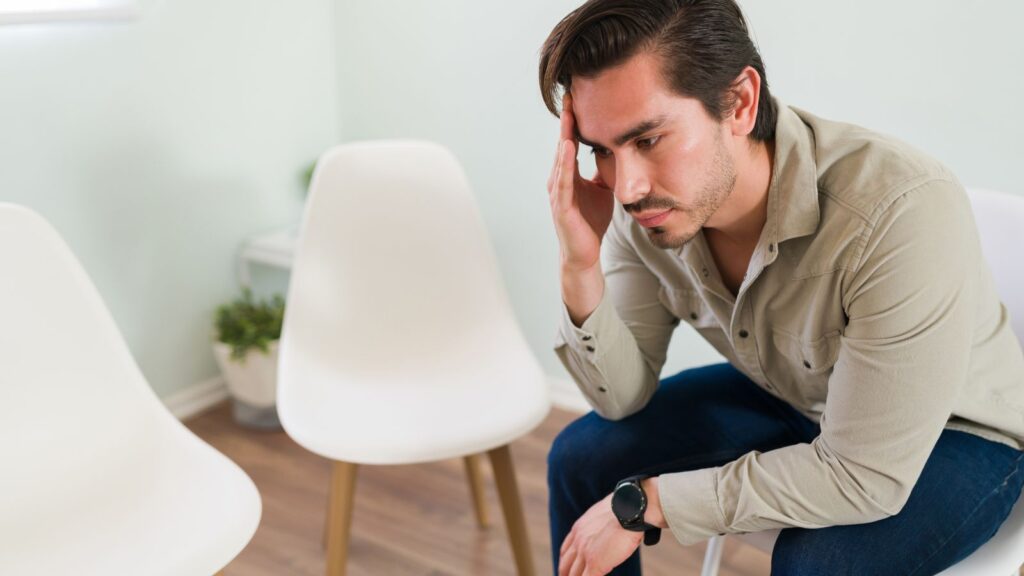
Anxiety is one of the most common mental health challenges in the United States. For many people, it starts subtly, with trouble sleeping, racing thoughts, constant overthinking, or a persistent feeling of unease. Left unaddressed, chronic anxiety can become overwhelming. For some individuals, that overwhelm leads to self-medication.
What begins as an attempt to “take the edge off” can slowly develop into dependence.
Understanding how anxiety and other mental health disorders connect to substance use is critical for prevention, early intervention, and long-term healing.
The Self-Medication Cycle
When anxiety feels unbearable, substances like alcohol, marijuana, benzodiazepines, or opioids can seem like a quick solution. They may temporarily:
- Slow racing thoughts
- Reduce physical tension
- Create a sense of calm
- Numb emotional discomfort
The relief, however, is short-lived.
Over time, the brain adapts. Tolerance builds. The original anxiety often returns, sometimes worse than before, and now it is paired with cravings, withdrawal symptoms, and emotional instability.
This cycle can quietly turn into a substance use disorder.
Why Anxiety and Substance Use Often Co-Occur
Mental health disorders and substance use disorders frequently overlap. This is known as co-occurring disorders or dual diagnosis.
Here is why:
- Shared brain chemistry factors. Anxiety and addiction both involve changes in neurotransmitters like dopamine and GABA.
- Trauma history. Many individuals with anxiety disorders have experienced trauma, which also increases vulnerability to addiction.
- Avoidance coping patterns. Substances can become a tool to avoid uncomfortable emotions rather than process them.
Without addressing the underlying anxiety, simply stopping substance use can feel nearly impossible.
Warning Signs Anxiety Is Leading to Substance Misuse
It is important to recognize early signs that coping strategies may be shifting into harmful territory:
- Drinking or using substances specifically to calm nerves
- Increasing frequency or amount of use
- Needing substances to sleep
- Feeling more anxious without them
- Hiding or minimizing use
If anxiety feels unmanageable without alcohol or drugs, that is a signal that professional support may be necessary.
The Importance of Integrated Treatment
Treating substance use without addressing mental health often leads to relapse. Likewise, treating anxiety without recognizing active substance misuse can limit progress.

Comprehensive programs provide:
- Clinical assessment for co-occurring disorders
- Individual therapy, such as CBT, DBT, and trauma-informed care
- Psychiatric evaluation and medication management when appropriate
- Structured relapse prevention planning
- Ongoing accountability and support
For those navigating insurance concerns, many people specifically search for rehabs that accept Cigna, and understanding your coverage options can make treatment more accessible than you might expect.
Breaking the Stigma
One of the biggest barriers to seeking help is shame.
Many people struggling with anxiety-driven substance use believe they should be able to handle it. Anxiety disorders are medical conditions, not personal failures. Addiction is not a lack of willpower.
It is a health condition that responds to evidence-based care.
The sooner someone seeks support, the easier it is to interrupt the cycle before it deepens.
Healthier Alternatives to Self-Medication
If you or someone you know is experiencing anxiety, consider proactive strategies before substances become a coping mechanism:
- Structured therapy
- Breathwork and grounding techniques
- Regular exercise
- Consistent sleep routines
- Support groups
- Medication management when clinically appropriate
Professional guidance can help identify the most effective combination of tools.
Recovery Is Possible
Anxiety does not have to lead to addiction. Addiction does not mean life is permanently off track.
With the right support system, integrated treatment, and structured care, individuals can address the root causes of anxiety while building sustainable recovery skills.
If anxiety has turned into self-medication, reaching out for help is not a setback. It is a turning point.