
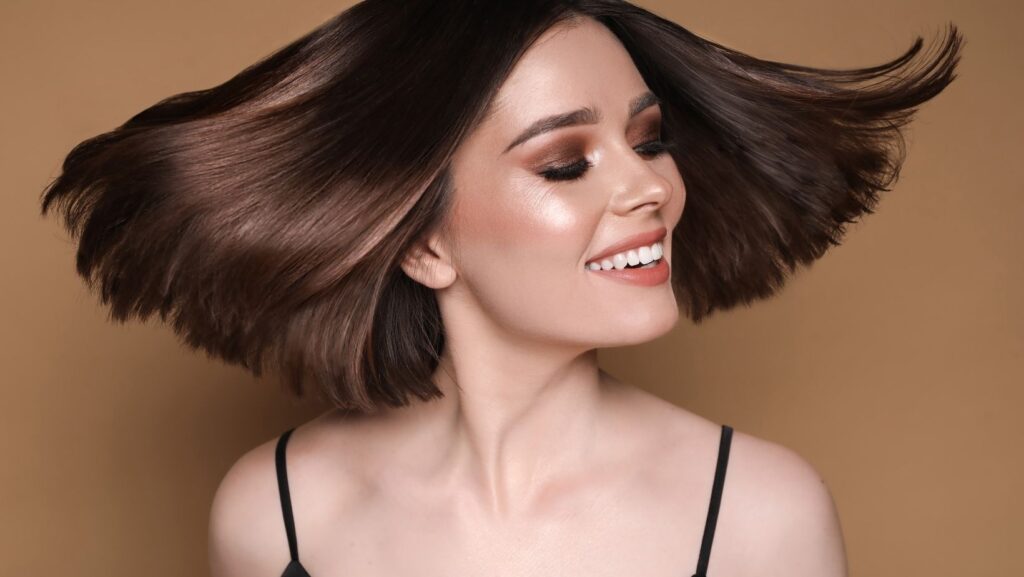
Hair care tends to bring to mind the products we reach for in the shower – shampoos, conditioners, oils, the occasional hair mask. These things genuinely do matter for scalp health and how your hair looks and feels day to day. But they can’t influence what’s happening deeper down, inside the follicle itself. That’s where internal factors come in, and nutrition is one of the most significant.
Hair follicles depend on nutrients carried through the bloodstream to keep the hair growth process ticking along. It’s why some people look into hair vitamins alongside eating well and looking after themselves generally. Thinking about hair from both an external and internal angle gives you a much fuller picture of how it actually works.
Understanding How Hair Grows
Every strand of hair grows from a follicle sitting beneath the scalp’s surface. Inside that follicle, specialised cells divide and multiply, producing keratin – a fibrous protein that gives hair its structure.
Growth happens in repeating cycles made up of distinct phases:
Anagen (growth phase): Active growth from the follicle. This can go on for several years.
Catagen (transition phase): The follicle starts to shrink and growth slows right down.
Telogen (resting phase): Eventually the hair sheds, and a new strand begins forming in its place.
Follicles are remarkably busy structures. They need a steady flow of nutrients to function properly, and when certain nutrients are in short supply, it can show – sometimes in changes to hair thickness, growth rate, or how much hair you’re losing in the brush.
Keratin And The Building Blocks Of Hair
Hair is made almost entirely of keratin, the same tough structural protein found in your nails and the outermost layer of skin. To produce keratin, the body draws on amino acids that come from dietary protein.
That’s why protein matters so much for hair structure. Eggs, poultry, fish, dairy, beans and nuts all provide the amino acids needed to keep keratin production going.
When someone isn’t eating enough protein, the body tends to prioritise essential organs and functions over hair growth. Hair strands can become more fragile as a result, or shedding might temporarily increase. Getting enough protein through a varied diet goes a long way in giving hair what it needs structurally.
Vitamins Linked To Hair Health
Beyond protein, a number of vitamins are involved in the processes that keep hair follicles working well – things like cell growth, energy production and tissue maintenance.
B vitamins and biotin
B vitamins are central to energy metabolism and how cells function. Biotin, or vitamin B7, gets talked about a lot in the context of hair. It’s involved in amino acid metabolism and plays a part in how keratin is structured.

Deficiency is actually quite rare, but when it does happen, it can contribute to brittle hair or thinning.
Good dietary sources of biotin include eggs, nuts, seeds, whole grains and bananas.
Vitamin D
Vitamin D is involved in all sorts of biological processes, including cell growth and immune function. There’s also research pointing to a connection between vitamin D levels and hair follicle health. Your body makes it through sun exposure, and you can get it from oily fish, egg yolks and fortified foods too.
Vitamin A
Vitamin A supports cell growth and sebum production – that natural oil which keeps the scalp moisturised. It’s worth noting, though, that too much vitamin A can actually be harmful, so balance is important here. Carrots, sweet potatoes, spinach and dairy are all good sources.
Minerals That Support Hair Structure
Minerals are just as important as vitamins when it comes to follicle health and the hair growth cycle.
Iron
Iron helps red blood cells carry oxygen around the body. Hair follicles need that oxygen to stay active during the growth phase. Low iron is frequently linked to hair thinning, particularly in women. Red meat, lentils, spinach, chickpeas and fortified cereals are all solid sources.
Zinc
Zinc is involved in tissue repair, cell growth and keeping the immune system functioning. It also helps maintain healthy hair follicles. You’ll find zinc in shellfish, meat, dairy, seeds and whole grains.
Selenium
Selenium helps protect cells from oxidative stress and contributes to normal hair maintenance. Brazil nuts are an especially rich source, but fish, eggs and whole grains contain it too.
Diet And Overall Wellbeing
No single nutrient keeps hair healthy on its own. Follicles rely on the combined effect of proteins, vitamins, minerals and healthy fats working together – which is really an argument for eating a varied, balanced diet rather than chasing individual supplements.
Broadly speaking, a diet that includes:
- Lean proteins
- Fruits and vegetables
- Whole grains
- Nuts and seeds
- Healthy fats
covers a lot of ground nutritionally and supports the body’s processes well beyond just hair health.
Hydration matters too. Water keeps circulation going and helps transport nutrients to cells all over the body, follicles included.
Lifestyle Factors That Influence Hair Condition
Nutrition is important, but it’s not the whole story. Several other aspects of daily life can affect how the hair growth cycle behaves.
Stress
Significant or prolonged stress can push more hairs into the shedding phase simultaneously. This is called telogen effluvium, and it often becomes noticeable a few months after whatever triggered it. Regular exercise, decent sleep and taking time to decompress can all help.
Hormonal changes
Hormonal shifts – during pregnancy, menopause, or with certain health conditions – can alter the hair cycle noticeably. They can affect how long hair stays in the growth phase and how quickly shedding follows.
Scalp care
A healthy scalp gives follicles the best environment to do their job. Gentle cleansing, going easy on heat styling and avoiding harsh chemical treatments all help reduce unnecessary damage to the hair you already have.
A Balanced Approach To Hair Care
Hair health is shaped by a mix of things: genetics, nutrition, lifestyle, and the way you care for it externally. Products can make a real difference to how hair looks and feels, but what’s happening internally – what you eat, how you live – feeds into the picture too.
Paying attention to nutrition and building healthy habits doesn’t need to be complicated. A balanced approach, looking after both the inside and outside, is really the most sensible foundation for maintaining healthy-looking hair as part of everyday wellbeing.