The moment you announce a pregnancy, the advice starts flooding in, and so do the product recommendations. Every list seems longer than the last, and before you know it, your registry has 200 items and a price tag to match. The truth is, newborns need far less than the baby industry would have you believe. Starting with a short, intentional list of Baby items and essentials from BIBS and a few other well-chosen staples is a much smarter approach than stocking up on things you may never use.
Bibsworld is a go-to destination for parents who want quality without the clutter. Their range covers the real needs of the early months without pushing unnecessary extras, which makes it a natural starting point when building a registry with intention.
Why Less Is More When It Comes to Baby Gear
It can be tempting to walk into a baby store and feel like you need one of everything. But the reality of life with a newborn is that you will rely on a surprisingly small rotation of items, and the rest will quietly gather dust. A minimalist approach is about being intentional: when you choose fewer products, you choose better ones. You spend less time cleaning and storing things you never needed, and more time focused on your baby.
Start With the Actual Essentials
Not all baby categories are created equal. Some are genuinely non-negotiable from day one. Others can wait, or be skipped entirely depending on your lifestyle.
Feeding
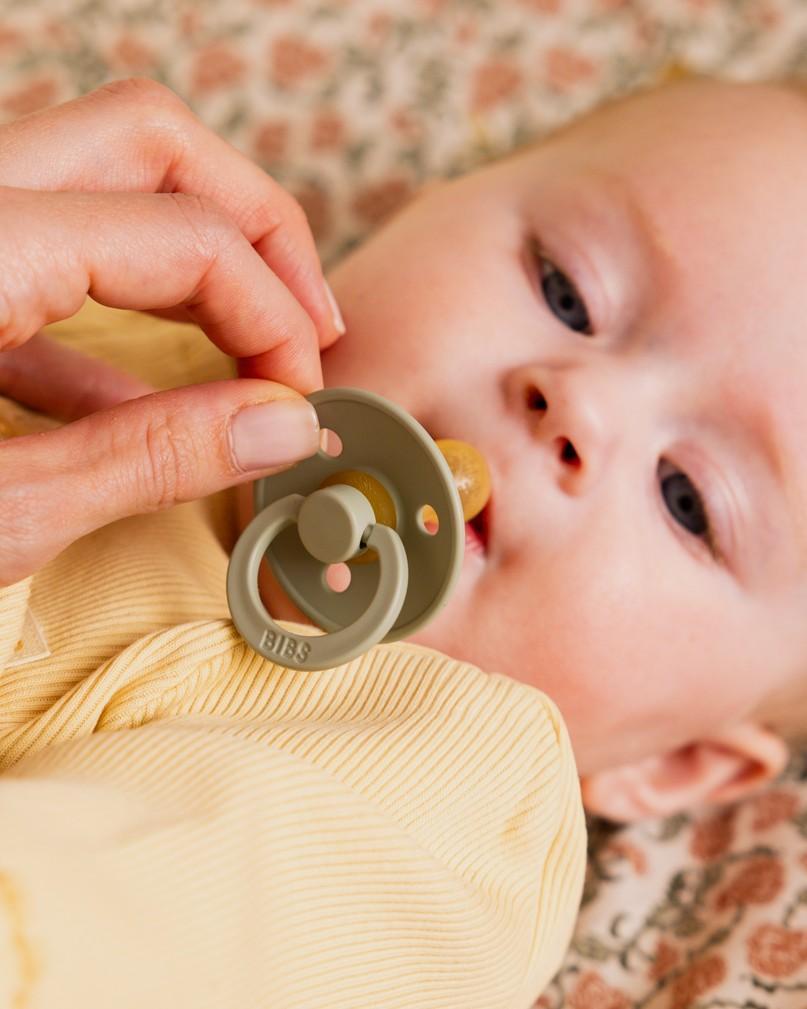
Whether you plan to breastfeed, bottle-feed, or do a mix of both, a small selection of bottles and a reliable soother are useful from the very beginning. BIBS offers a focused range of feeding essentials that covers this without overcomplicating things — a good example of the kind of brand worth anchoring a registry around. Start with two or three of each option and adjust once you have a clearer picture of what works for your baby.
Sleep and comfort
A safe sleep space, a few fitted sheets, and a swaddle or two are all you need to start. Avoid buying elaborate sleep accessories marketed as essentials. As The American Academy of Pediatrics recommends, a firm, flat surface and a breathable fitted sheet cover the basics completely, and you can build from there.
Clothing and nappy changes
Babies grow fast. Prioritise easy fastenings and soft fabrics over anything that looks good in photos but takes five minutes to put on at 2am. For nappy changes, a mat, nappies, and a basic cream are the only true essentials. Everything else is optional until you know what your routine actually looks like.
How to Evaluate Every Item Before Adding It
Does it solve a real problem?
Before adding anything, ask one simple question: does this solve a problem you actually have, or one someone is telling you that you will have? Products designed around genuine friction points earn their place. Products marketed around anxiety usually do not.
How long will you actually use it?
Some items are useful but only for a very short window. That is not a reason to avoid them, but it is worth factoring into decisions, especially for bigger purchases. Items that adapt across developmental stages, like much of what BIBS designs, tend to offer far better long-term value.
The Minimalist Mindset Behind a Good Registry
Quality over quantity
One well-made item will outlast three cheap ones. Think about products that are easy to clean, durable enough to last through multiple children, and simple enough to use on no sleep. That filter alone will cut your registry in half. Browsing Bibsworld with that mindset is a good exercise — the range is curated enough that you are not wading through hundreds of options to find what you need.
Borrow before you buy
Big-ticket items like bouncers, swings, and baby carriers are worth borrowing first if possible. Every baby is different, and testing before committing saves money and cupboard space.
Add things as you go
Building a registry with less in mind is ultimately an act of confidence: confidence that you will figure out what your baby needs as you go, rather than trying to anticipate everything in advance. That approach tends to produce calmer parents, less clutter, and a short list of things that actually get used every day.