
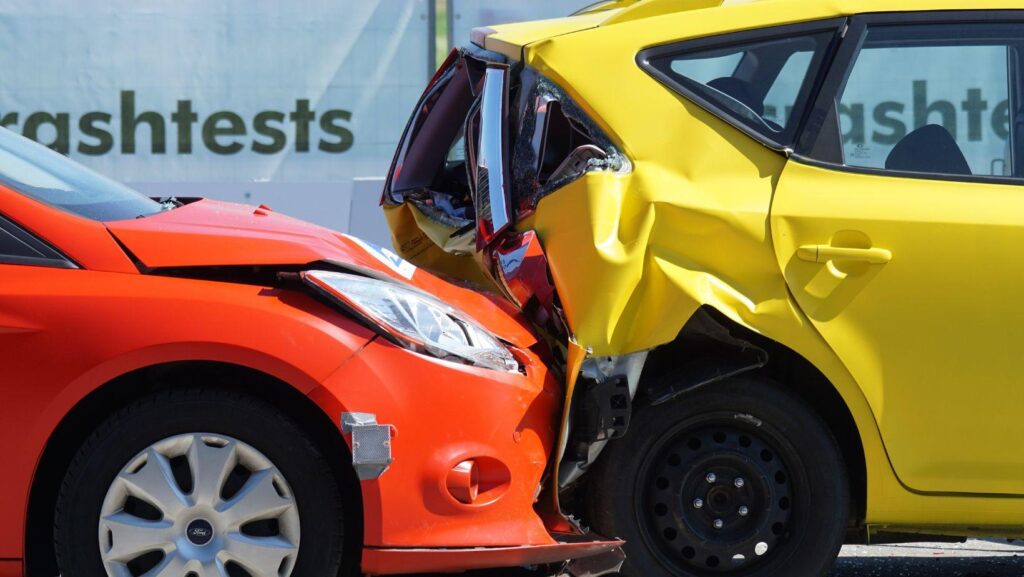
The deceptive nature of minor impacts often leads drivers to underestimate the potential for lasting physical injury after a collision. A low-speed bump might appear insignificant at the scene, but the mechanical forces transferred during the event can cause hidden damage to the human body.
Establishing a sense of order after a sudden jolt requires a clear understanding of how traffic laws assign responsibility. While every accident is unique, the trailing driver is almost always presumed to be at fault because they have a duty to maintain control and awareness.
Navigating the aftermath of such an event involves a thorough review of the actions taken by both parties involved. Whether the damage is visible or internal, every victim should understand the legal framework surrounding a rear end crash. This clarity ensures that their rights are fully protected during the claim process.
The Physics and Trauma of Sudden Impact
The physics of a rear-end impact involve a rapid transfer of energy that forces the head and neck to move in a violent whipping motion. This sudden acceleration and deceleration place an immense amount of strain on the delicate soft tissues and ligaments of the cervical spine.
Commonly referred to as whiplash, this type of trauma can lead to chronic pain and restricted mobility if not treated properly. The body's natural defense mechanisms often mask the true extent of the damage immediately following the event, leading to a false sense of security for victims.
Symptoms of soft tissue damage often do not appear for several days as inflammation begins to settle into the affected areas. It is vital to seek a medical evaluation even if you feel fine in the moments after the impact. Professional care identifies issues before they become permanent.
Primary Causes and Driver Responsibility
Identifying the primary causes of these incidents usually points toward preventable behaviors like distracted driving or persistent tailgating. When a motorist is focused on their phone rather than the car in front of them, they lose the critical seconds needed to react to a change.
Sudden stops in heavy traffic are a reality of urban commuting that every driver must be prepared to handle safely. Failing to leave enough space creates a hazardous environment where even a minor delay in braking results in a collision that could have been easily avoided.
The responsibility of every driver is to maintain a safe following distance at all times regardless of the current traffic conditions. This buffer provides the necessary margin for error when the flow of vehicles becomes unpredictable. Following this rule is the best way to prevent a crash.
Rare Exceptions and Complex Pileups
There are rare exceptions to the general rule of trailing driver liability, such as when a leading motorist engages in brake checking. If a driver intentionally slams on their brakes to harass someone behind them, they may be found legally responsible for the resulting collision.
Multi-vehicle chain reaction pileups further complicate the determination of fault as investigators must untangle several different impacts. In these cases, the first driver who failed to stop is often the primary focus, but subsequent drivers may also share a portion of the legal blame.
Determining exactly who hit whom first requires a meticulous review of the physical damage and witness statements. These complex scenarios demand a high level of technical expertise to ensure that the correct party is held accountable. Sorting out the details is a necessary part of justice.
Digital Evidence and Medical Necessity
The importance of dashcam footage and electronic data has grown significantly in proving negligence during a legal dispute. These recordings provide an objective view of the moments leading up to the impact, removing much of the guesswork from the investigation and the final fault determination.
Even low-speed impacts require a thorough medical evaluation to ensure that no internal trauma has occurred during the jolt. A doctor can use imaging tests to look for structural issues that might not be apparent during a simple physical exam at the scene of the accident.
Establishing a clear link between the collision and the injuries is the cornerstone of a successful personal injury claim. Without this medical foundation, insurance companies will often try to dismiss the severity of the victim's experience. Professional documentation is the best way to secure your future.
Conclusion
Taking the correct steps immediately following a collision from behind ensures that your legal and physical health are prioritized. This includes exchanging information with the other driver and documenting the scene with high-quality photographs before the vehicles are moved or the area is cleared.
Final thoughts on the long-term implications of these incidents remind us that safety is a constant commitment. While the legal system provides a path for recovery, the best outcome is always preventing the accident through careful and attentive driving habits on every single public road.
Patience and focus are the most effective tools for navigating the busy metropolitan streets without experiencing a traumatic event. By respecting the space of others and staying alert, we can all contribute to a safer environment. A careful driver is the most valuable safety feature.